Jingshan Chunyang Taoist Monastery: A Fusion of History and Culture
At the foot of Jing Mountain in Huaiyuan County, Bengbu City, Anhui Province, lies a Taoist monastery steeped in history and cultural heritage—the Jing Mountain Chunyang Taoist Monastery. It shines like a brilliant pearl, emitting an air of mystery and allure that draws countless visitors and devotees to explore its depths.
The exact date of the Pure Yang Taoist Monastery’s establishment remains shrouded in mystery, obscured by the passage of time, and its original scale is now difficult to verify. However, according to historical records, during the Guangxu era of the Qing Dynasty, Gong Erduo, the prefect of Tongzhou who revered Taoism, constructed this monastery on the south side of the Baiyu Spring at the foot of Jing Mountain, with the primary deity being the Pure Yang Patriarch Lü Dongbin. As a highly influential figure in Daoism, Lü Dongbin’s legendary stories have deeply resonated with people, adding a strong religious and mystical atmosphere to the Pure Yang Daoist Temple.
Stepping into the Pure Yang Daoist Temple feels like entering a tranquil and rustic world. The temple’s overall architecture faces north, constructed with bricks, stones, and small tiles, showcasing the typical traditional Daoist architectural style—simple yet elegant, harmonizing perfectly with the surrounding natural landscape. In the center of the monastery stands a centuries-old elm tree with lush branches and leaves that cast a dense shade, bringing a touch of tranquility and coolness to the monastery. Beneath the tree, a double-roofed hexagonal pavilion covers the renowned White Milk Spring. The White Milk Spring, originally named the White Turtle Spring, is said to have been named after a white turtle that emerged from the spring during the Zhenyuan era of the Tang Dynasty. The spring water is sweet and white like milk, clear and transparent, rich in various beneficial trace elements and minerals, and has extremely strong tension. When poured into a cup, it can rise above the cup’s surface by the thickness of a grain of rice without spilling over, and can even float a coin, a phenomenon that has amazed many. In the seventh year of the Yuanfeng era of the Song Dynasty, the great literary figure Su Dongpo, along with his two sons Su Di and Su Guo, passed through this area. They used the water from the White Milk Spring to brew tea and praised it as the “Seventh Best Spring in the World.” They also composed the poem “A Record of What Was Seen During a Visit to Mount Tu and Mount Jing,” which to some extent enhanced the fame and cultural value of the White Milk Spring and the Chunyang Daoist Temple.
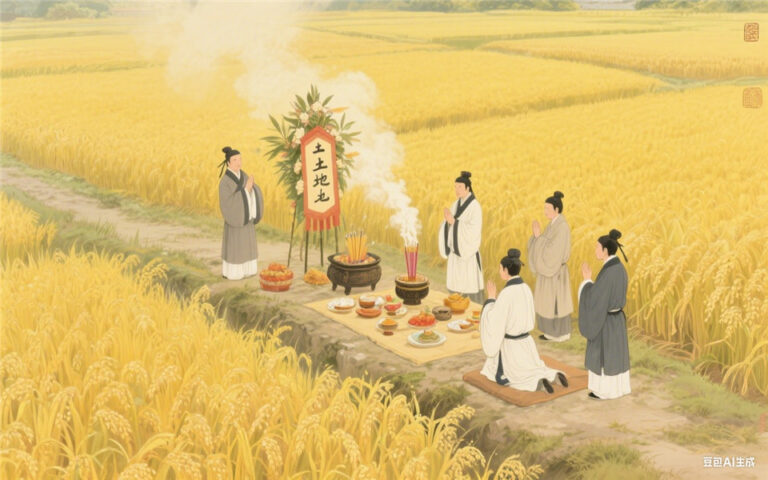
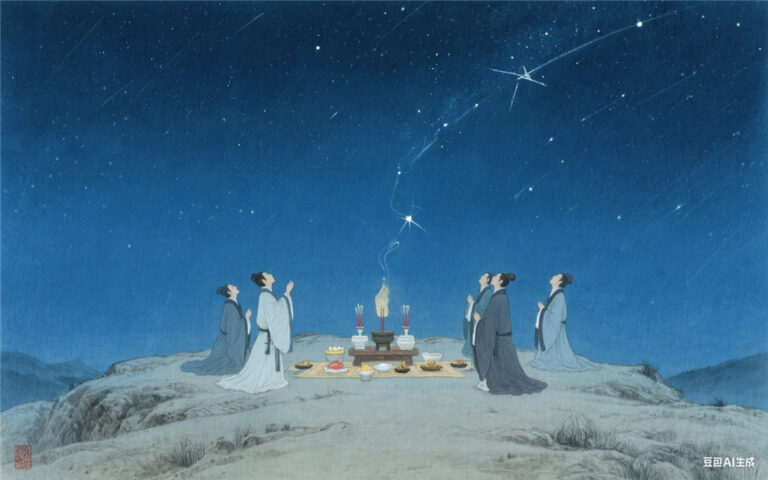
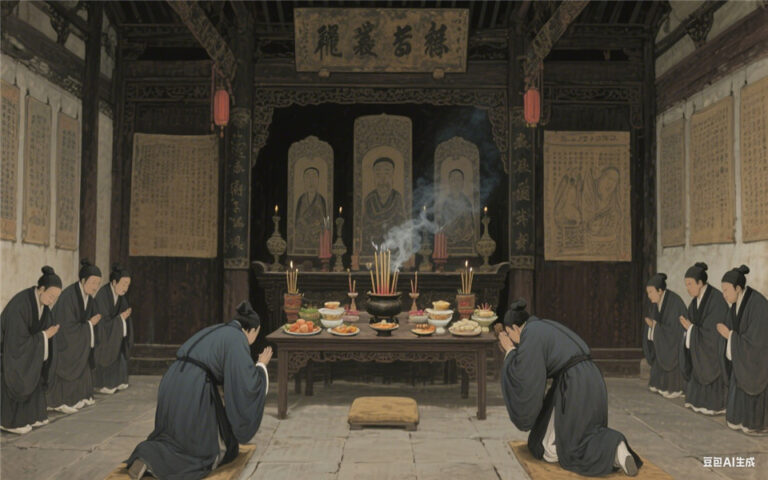
In addition to its unique architectural style and神奇的泉水景观, the Chunyang Daoist Temple also carries rich cultural connotations and historical value. During specific Daoist festivals each year, such as the birthday of Lu Dongbin, the temple holds corresponding religious ceremonies, attracting numerous devotees who come to burn incense, pray, and recite scriptures, creating a lively atmosphere. Furthermore, leveraging the historical and cultural heritage and natural scenery of Baiyu Spring, the area has attracted numerous literati and scholars to visit, enjoy tea, compose poetry, and create literary works, leaving behind numerous poems, couplets, and other cultural works that have enriched the cultural heritage of the Daoist monastery.
Despite undergoing some damage over the course of history and the passage of time, the Pure Yang Taoist Temple has been preserved through repeated repairs and maintenance efforts by the local government and relevant departments, allowing it to continue showcasing its unique charm. The Jing Shan Chunyang Daoist Temple is not only a Daoist temple but also an important symbol of Huaiyuan County’s historical and cultural heritage. It has witnessed the vicissitudes of time, carries people’s faith and hopes, and attracts an increasing number of visitors to experience its unique charm.