Xingshan Gexian Cave: Hidden in Tongling’s Taoist Mystique
Twenty-five kilometers east of Tongling City, nestled among the folds of the mountains, Xingshan stands like a jade stone polished by time, quietly resting in the heart of the Wanjiang River basin. The Gexian Cave nestled within the mountains harbors a Taoist legend spanning millennia, infusing every breeze that passes through the cave with the scent of plants and cinnabar.
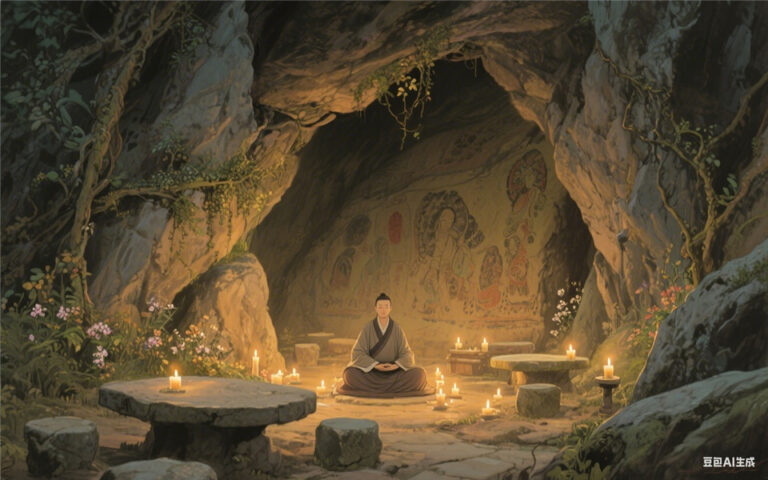
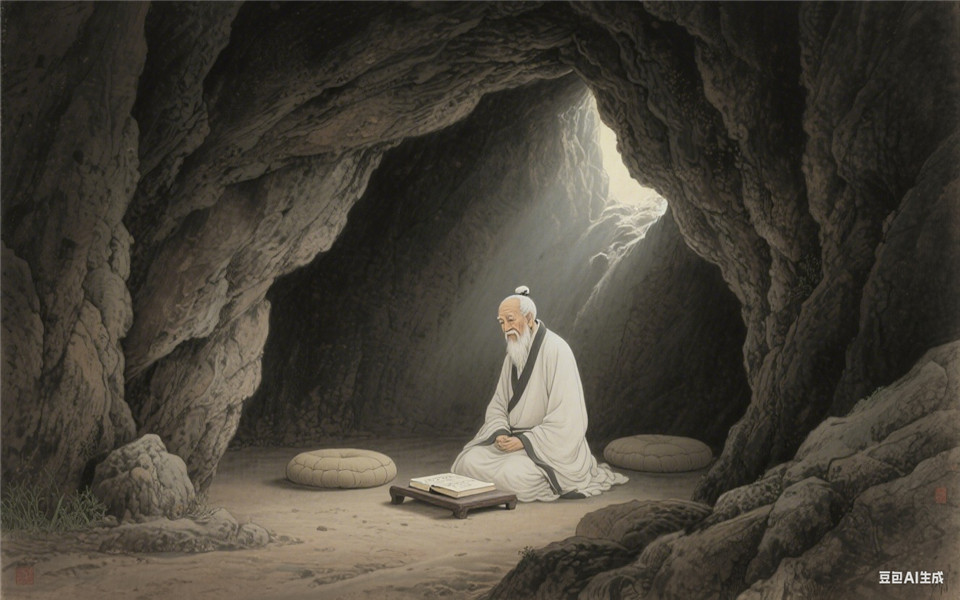
The cave’s entrance is hidden among lush vegetation, as if carefully concealed by the passage of time. Upon entering, one is immediately enveloped by a gentle coolness, with rock walls shimmering like jade—a masterpiece crafted by millions of years of underground water. The stone bed, carved into the wall, has edges smoothed by time. It is said that Ge Hong of the Jin Dynasty once meditated here, and the essence of alchemy still lingers in the depths of the stone patterns. On the nearby stone table, traces of ink grinding seem to remain, evoking visions of this “Little Immortal” annotating Daoist scriptures and refining elixirs day and night.
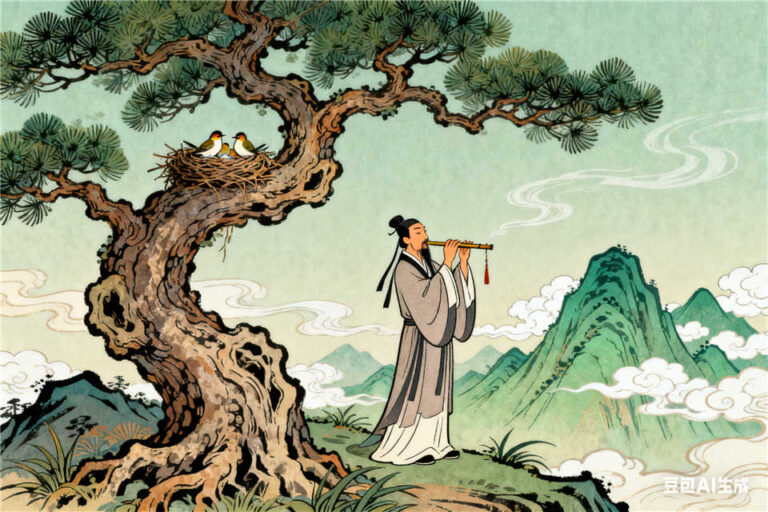
The Xingshan Mountain outside the cave holds even more vivid legends. It is said that Ge Hong, in his spare time from cultivation, saw the barrenness of the mountains and personally planted rows of apricot trees. When the spring breeze blows, the mountains are covered in apricot blossoms like snow, and the air is filled with a sweet fragrance. Over time, this once-nameless hill came to be known as “Xingshan.” Today, as one walks through the forest, one can still spot wild apricot trees among the mixed trees, perhaps a continuation of the traces of the immortals from long ago.
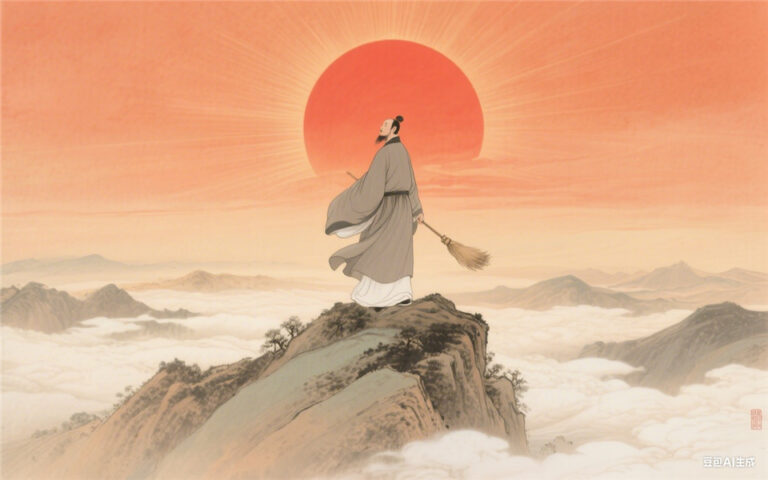
Ge Hong chose this place for his cultivation for good reason. Though Xingshan is not towering, it is imbued with the essence of heaven and earth: to the east lies the Yangtze River, its mist rising like a ribbon; to the west are the mountains, their dense forests and thick grass sheltering the wind. Standing at the cave entrance and looking out, one can see the river flowing like a green ribbon around the mountain. When mist rises, the entire mountain becomes a fairy island floating in the sea of clouds. This “unity of heaven and humanity” scenery harmoniously complements the Daoist philosophy of “following the way of nature.”
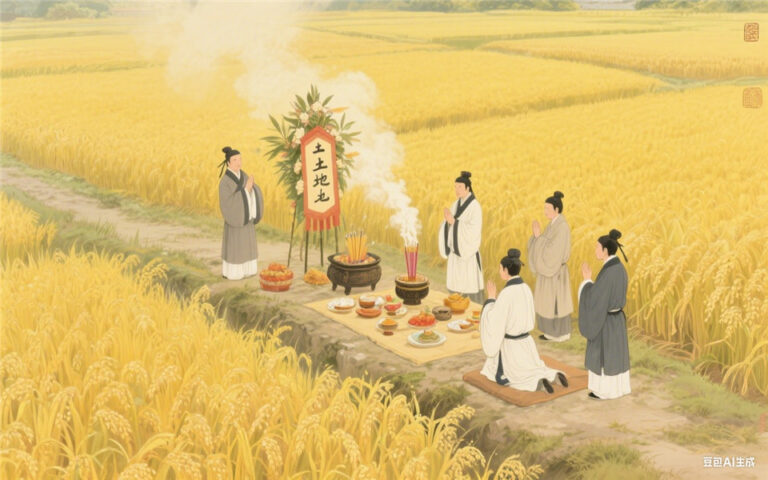
Centuries have passed, and the alchemical furnaces of Ge Xian Cave have long since cooled, but the imprint of Daoist culture remains deeply etched into the landscape. Every Qingming Festival, local villagers still come here to pay their respects and pray for favorable weather. The newly carved characters “Ge Xian Ruins” on the cave walls blend seamlessly with the natural rock patterns, as if history and nature had jointly penned this annotation.
As the sunset casts a golden glow over Xingshan Mountain, a faint halo emerges from the shadows of Ge Xian Cave. At this moment, if one listens closely, one might hear the echoes of cranes’ cries spanning millennia, intertwined with the gentle rustling of falling apricot blossoms—this is the eternal gift left by Ge Hong, ensuring that this mountain and this cave forever dwell in the poetic realm where the mortal and divine realms converge.