Shanghai Ping Shan Daoist Temple: Traces of Daoist Culture Lost in Time
The Origin of the Place Name: The Connection Between Ping Shan and the Taoist Temple
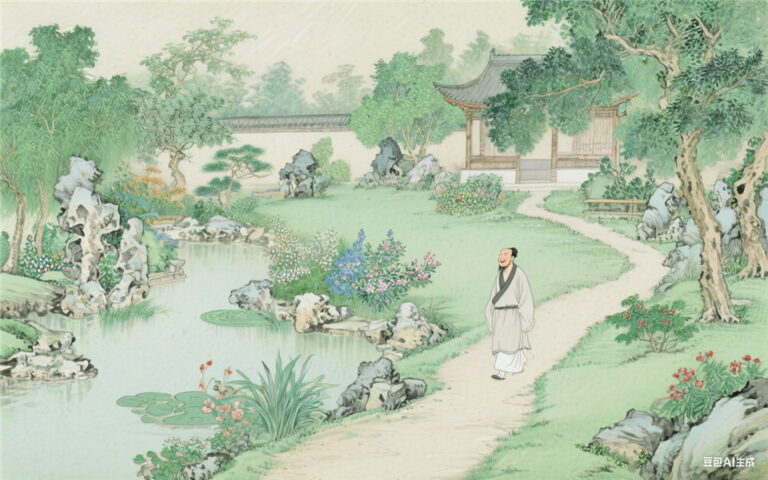
On the land of Beiqu Town, Shanghai County, Shanghai City, once stood a Taoist temple that had withstood centuries of wind and rain—the Ping Shan Taoist Temple. Its name derives from the colloquial name of its location, “Ping Shan,” as if it had been inextricably linked to the very fabric of this land from the moment of its inception.
Ming Dynasty Reconstruction: Founding and Transmission of the Daoist Tradition
The history of the Ping Shan Daoist Temple traces back to the Hongwu era of the Ming Dynasty (1368–1398), a time when the dynasty was newly established and the nation was in the midst of reconstruction. The temple was quietly built during this era, infusing the land with a touch of Daoist elegance. In the first year of the Yongle era (1403), Daoist monk Xiang Zitong oversaw the temple’s renovation. Perhaps the original structures had deteriorated over time, or perhaps driven by his passion for Daoist culture, he sought to breathe new life into the temple. This renovation was not merely a physical restoration but a steadfast commitment to preserving the Daoist tradition.
Local Support: The Foundation for Survival in Turbulent Times
By the seventh year of the Chongzhen era (1634), as the shadows of social unrest began to spread, the local people chose to support the Taoist temple by donating farmland. Farmland was a crucial means of production and livelihood at the time. This gift reflected the people’s trust and reliance on the Taoist temple—perhaps it had distributed porridge during famine years or provided spiritual solace in everyday life—earning this heartfelt support that allowed the temple to endure amidst the stormy times.
The Prosperity of the Qing Dynasty: Reconstruction and Temple Layout
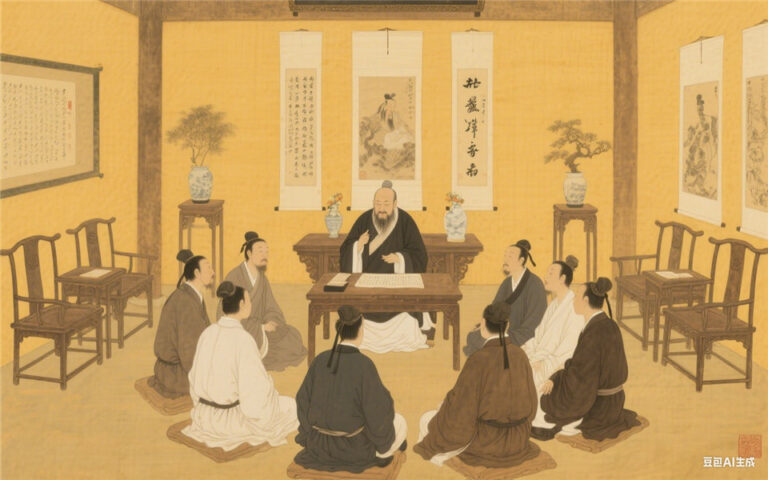
In the 20th year of the Qianlong reign (1775), the Daoist temple underwent another major reconstruction. At that time, the Qing Dynasty was in its heyday, with a strong national power and flourishing culture. This reconstruction must have been on a large scale, with craftsmen meticulously carving the structures, making the temple even more majestic and grand. At that time, the Pingshan Taoist Temple had become a substantial complex of buildings. The Three Teachings Hall accommodated the deities of Confucianism, Buddhism, and Taoism, embodying the unique spirit of “the unity of the three teachings” in traditional Chinese culture; the Jade Emperor Pavilion soared into the clouds, housing the statue of the Jade Emperor, the core of the temple, symbolizing Taoism’s reverence for the celestial realm; Wenchang Pavilion was filled with incense smoke, embodying students’ aspirations for academic success; in Doumu Pavilion, the statue of Doumu Yuanjun stood solemn and majestic, revered as the Mother of the Stars, protecting all beings.
Echoes of the Past: The Lingering Influence of the Daoist Monastery
However, prosperity does not last forever. During the late Qing Dynasty and early Republican era, societal upheaval, war, and economic decline took their toll. Swept away by the tides of history, the Bottle Mountain Taoist Temple gradually fell into decline and eventually vanished into the annals of history. Today, we can only piece together its former glory from scattered historical records, imagining the once-vibrant scenes of morning bells, evening drums, and incense-filled air.
The rise and fall of the Bottle Mountain Taoist Temple is a microcosm of local religious history, bearing witness to the rise and fall of dynasties and the vicissitudes of the world, while also carrying the spiritual memories of the local people. Though now in ruins, the imprint it left in the annals of history remains a cherished chapter in the cultural heritage of Shanghai.