Shanghai’s Zixiagge Pavilion: A Frozen Memory of the Old City
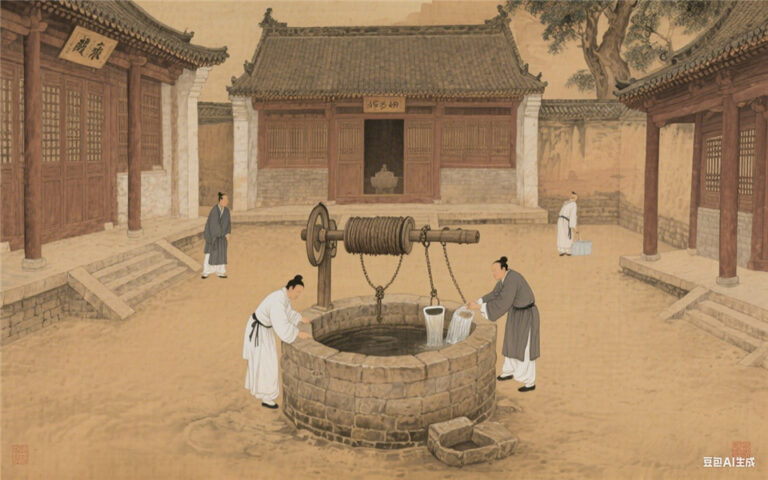
Nestled in the historical fabric of Shanghai County’s southwest corner, Zixiagge Pavilion stands like a polished pearl, bearing centuries of urban memory. Formerly known as Ruizhu Pavilion and Xiaopenglai, this structure served not only as a significant landmark in Shanghai County during the Ming and Qing dynasties but also witnessed pivotal transformations in modern education. Each renovation and functional shift mirrors the social landscape of its era.
1.Historical Evolution: From Ruizhu’s Founding to Zixia’s Rebirth
The origins of Zixia Pavilion trace back to the fifth year of the Kangxi reign (1666) during the Qing Dynasty. Constructed under the supervision of Xu Yuanying and others, it was initially named “Ruizhu Pavilion.” Renowned for its exquisite architecture and serene surroundings, it also earned the elegant epithet “Little Penglai,” becoming a favored gathering place for literati and scholars to appreciate its scenery. In the second year of the Qianlong reign (1737), Wu Shishi and others observed the structure’s deterioration due to neglect and spearheaded its restoration. They reinforced the beams and pillars while renewing the interior decorations, restoring its former splendor.
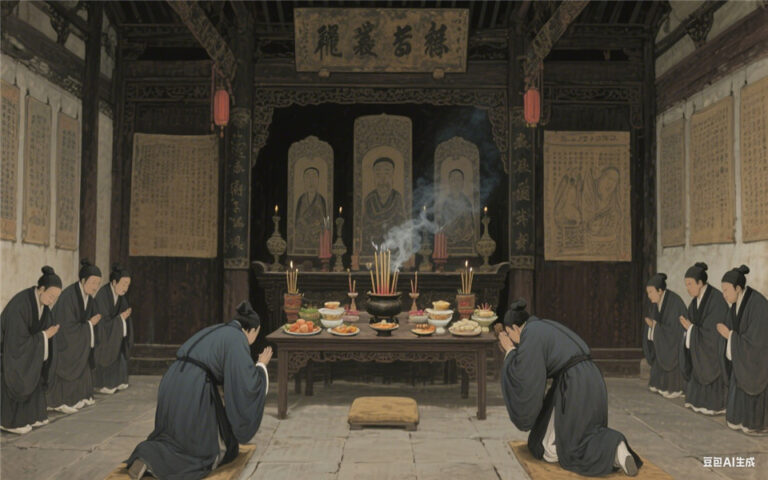
The true expansion of Zixia Pavilion’s functions came with the restoration project in the 56th year of the Qianlong reign (1791). Funded collectively by local gentry, this renovation not only comprehensively repaired the structure but also innovatively established a charity school and a Character Preservation Society within its walls. The charity school provided free education to impoverished children, while the Character Preservation Society assumed responsibility for collecting and burning discarded written materials. This dual purpose transformed Zixia Pavilion from a purely scenic structure into a venue combining cultural dissemination and public welfare, further deepening its influence within the local community.
2.Modern Transformation: From Traditional Pavilion to Modern School
During the late Qing and early Republican eras, the introduction of Western educational ideas and the rise of modern education in China brought significant changes to Zixia Pavilion’s function. In 1907, local scholar Yang Chen pioneered the establishment of the Penglai Elementary School here, transforming the traditional pavilion into an educational venue for imparting new knowledge. This marked the beginning of Zixia Pavilion’s history as a school. This transformation not only broke the functional limitations of traditional architecture but also responded to the contemporary demand for modern education, cultivating the first cohort of students exposed to modern science and culture in Shanghai County.
The following year, due to expanding enrollment and resource consolidation needs, the Penglai Elementary School merged with the Puxi School. Yet Zixia Pavilion’s educational mission persisted. In 1909, it was formally converted into the Penglai Girls’ School, becoming one of Shanghai County’s earliest institutions dedicated exclusively to female education. In an era when the traditional notion that “a woman’s virtue lies in her lack of talent” had not yet been fully dismantled, the establishment of Penglai Girls’ School was groundbreaking. It provided educational opportunities for women, advanced the liberation of thought within the local community, and secured Zixia Pavilion a significant place in the history of modern education.
3.Contemporary Value: From Historical Relic to Cultural Symbol
Today, though the original Zixiagge structure has gradually vanished amid urban development, its historical memory and cultural value remain undimmed. As a vital witness to Shanghai County’s historical transformations, Zixiagge’s story not only documents the philanthropic spirit of local gentry during the Ming and Qing dynasties and the trajectory of modern education in the late Qing era, but also reflects the social landscape of Shanghai’s transition from a traditional county town to a modern metropolis.
In contemporary Shanghai’s urban cultural development, Zixia Pavilion has become a vital cultural symbol, reminding people of the profound historical foundations underlying this international metropolis. Through documented records, historical research, and cultural dissemination, the traditional architectural wisdom, public-spirited ethos, and educational innovation embodied by Zixia Pavilion continue to offer invaluable historical insights for today’s urban development, serving as a crucial spiritual link connecting Shanghai’s past and future.