Songjiang Turtle-Snake Temple: A Tale of the City Moat Lost in Time
Beyond the southern gate of ancient Songjiang City once stood a temple dedicated to the “Turtle and Snake,” resting upon the flowing waters of the city moat and reflecting the ripples of the lotus pond. It stood for centuries through the Song, Yuan, Ming, and Qing dynasties. Though the temple now lies in ruins, surviving historical records and legends still piece together its former glory.
1. Geographical Origins and Mystical Legends: The Temple’s Founding Tale
The story of the Turtle-Snake Temple began with a lotus pond. According to old records, its original site lay atop the moat outside the South Gate of Songjiang, Shanghai, adjacent to waters perpetually adorned with emerald lotus leaves. Local residents repeatedly witnessed a wondrous sight: a giant turtle resting on the water’s surface, with a serpent coiled gracefully upon its shell. The two moved in unison, appearing as if nature itself had fashioned an auspicious totem. This extraordinary omen spread through word of mouth, gradually cementing the belief that “this place holds divine power.” The land by the moat thus acquired extraordinary religious significance through this legend, laying the groundwork for the temple’s future construction.
2. Founding in the Song Dynasty: Yu Zishan and the Birth of the Temple of the True Martial Emperor
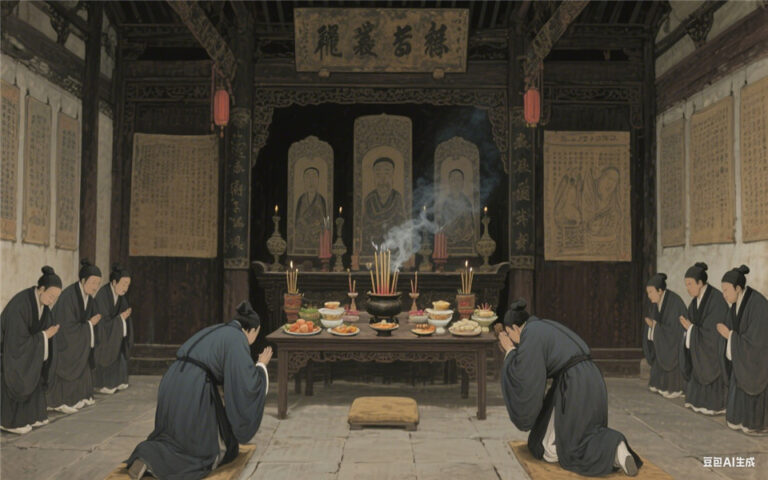
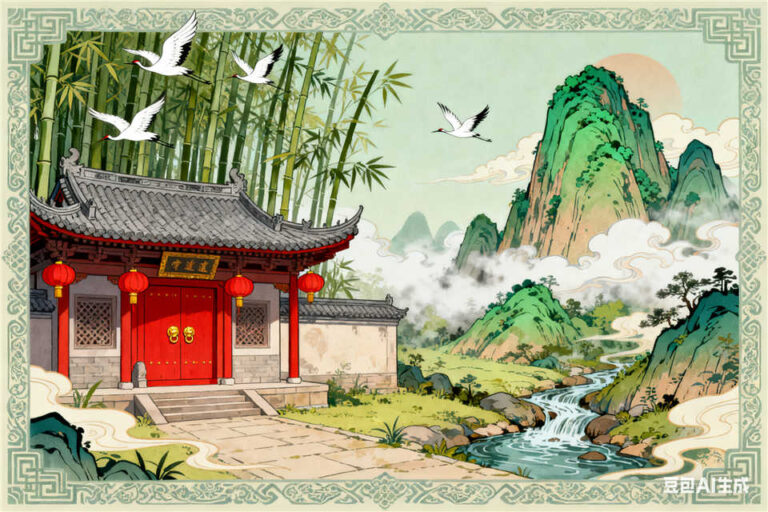
In the eighth year of the Chunyu era of the Song Dynasty (1248), the Taoist priest Yu Zishan wandered to Songjiang. Upon hearing of the turtle-snake omen at Lotus Pond, he recognized the site’s profound alignment with the Taoist faith in the True Martial Emperor. As the Northern Guardian Deity in Taoism, the True Martial Emperor is symbolized by the turtle and snake, embodying the power to “pacify waters and calm storms.” Yu Zishan thus resolved to build a temple here, both to venerate the True Martial Emperor and to honor the local legend of auspicious omens. Upon its completion, the temple was formally named the “Temple of the Turtle and Snake.” Though modest in scale initially, its connection to both religious belief and local lore quickly made it a destination for Songjiang residents seeking blessings and performing sacrifices. It also added a solemn religious atmosphere to the moat outside the South Gate.
3. Ming Dynasty Restoration and Expansion: Two Centuries Shaping the Temple’s Full Scale
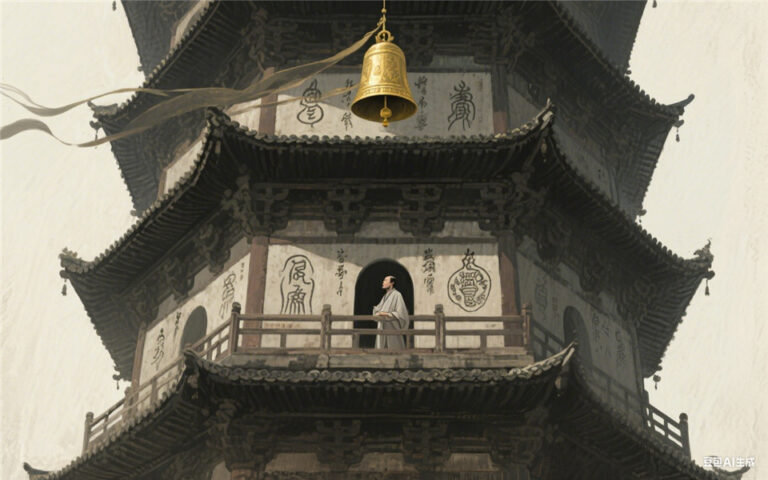
Time flowed into the Ming Dynasty, bringing a pivotal turning point for the Turtle-Snake Temple. By the early Hongwu era, the temple, weathered by over a century of storms, showed signs of decay—its beams and pillars were mottled, and many walls were crumbling. It wasn’t until the 11th year of the Zhengtong reign (1446) that local devotees and Taoist priests jointly initiated repairs. The project continued until the 2nd year of the Jingtai reign (1451), not only renovating and rebuilding the original halls but also adding three-bay corridors on each side. These provided resting areas for pilgrims and spaces for Taoist priests to practice. The temple’s expansion continued thereafter: craftsmen erected the “Tortoise-Snake Sacred Realm Archway” outside the temple, carved with tortoise and snake motifs and Taoist talismans, becoming the temple’s iconic entrance. They also paved the street leading to the temple gate with blue bricks and built a small bridge over the moat using tiles and stones, making it easier for pilgrims to come and go. From its reconstruction during the Zhengtong era to subsequent additions, spanning over two centuries, the Turtle-Snake Temple finally achieved its complete form—a comprehensive complex featuring halls, corridors, memorial arches, streets, and stone bridges.
4. Ruins and Echoes: Memories of the City Moat Fading with Time
Regrettably, this temple, built with the collective efforts of generations, ultimately succumbed to the ravages of time. Following the Ming and Qing dynasties, societal shifts and alterations to the moat layout gradually diminished pilgrimage to Guishan Temple. Without maintenance, its halls fell into disrepair, eventually crumbling away over the years. Only scattered historical records and folk tales remain for posterity to recall.
Today, the moat outside Songjiang’s South Gate has long since transformed beyond recognition, and the exact site of the Turtle-Snake Temple is difficult to trace. Yet the stories it carried have not faded— The lotus pond where the tortoise-snake omen once appeared, the Taoist priest Yu Zishan who founded the temple, and the two-century journey of its expansion—all have become part of Songjiang’s ancient historical memory, quietly narrating tales of religion and daily life along the moat’s banks.