Qingpu Wanshou Taoist Temple: The Past Splendor of Shanghai’s Taoist Sanctuary
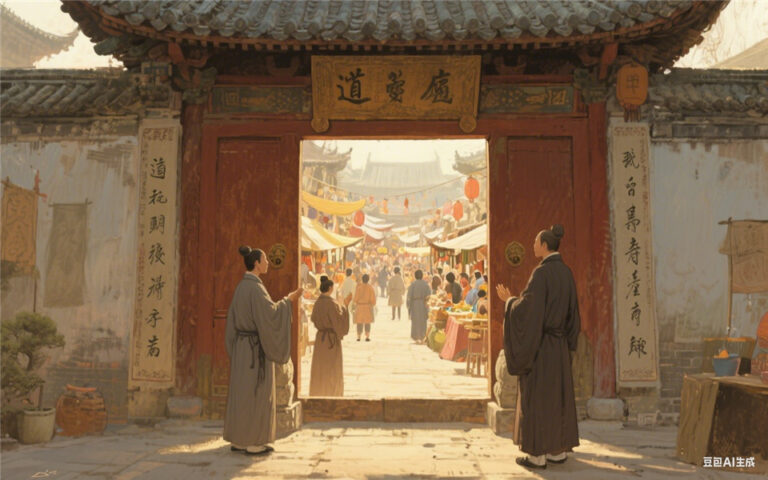
In the historical annals of Qingpu County, Shanghai, once stood a renowned Taoist sanctuary—the Qingpu Wanshou Taoist Temple. It not only preserved the local Taoist cultural heritage but also, with its serene and elegant scenery, became a place where human culture and nature harmoniously intertwined in the hearts of countless people. Though the monastery now lies in ruins, historical records allow us to glimpse its former splendor and charm.
I. Historical Evolution: The Name’s Transformation from Shenqing to Wanshou
Located outside the Small West Gate of Qingpu County, the monastery was originally named Shenqing Daoyuan, not Wanshou Daoyuan. While the exact founding date of Shenqing Daoyuan remains undocumented, subsequent records of its renovations suggest it had already established a significant historical foundation and religious influence locally.
A pivotal turning point came in the 26th year of the Kangxi reign (1687), when the Daoyuan underwent major reconstruction. This renovation not only adjusted and refined the temple’s architectural layout but also bestowed upon it a new name: “Wanshou Daoyuan.” This name change reflected both the people’s hopeful aspirations for the temple’s development and, indirectly, its elevated status among Qing dynasty religious sites. Subsequently, Wanshou Daoyuan gained widespread renown, becoming a vital center for Taoist activities in the Qingpu region.
II. Architecture and Landmarks: Material Expressions of Taoist Culture
As a quintessential Taoist temple, Qingpu Wanshou Taoist Temple boasts diverse architectural structures and landmarks, each imbued with profound Taoist cultural significance. It enshrines deities such as the Great Emperor Zhenwu, serving as a vital site for devotees to seek blessings and pursue spiritual cultivation.
Numerous distinctive structures and landmarks grace the monastery grounds. The “Lianyucao Hall” likely served as a tranquil retreat where Taoist practitioners once studied doctrine and exchanged insights, its rustic architecture exuding a rich cultural ambiance. The “Yangsu Hall” may have functioned as a space for cultivating virtue and nurturing the spirit, embodying Taoism’s pursuit of natural simplicity and detachment. “Lishi Mountain Studio” likely incorporates rock formations into its design, skillfully blending natural beauty with architectural elegance to evoke harmony between nature and humanity; Scenic spots like “Lotus Fragrance Pavilion,” “Little Toad Cave,” “Floating Green Pavilion,” “Just-Received Boat,” and “Cloud-Gazing Place” evoke poetry and elegance even in their names alone. Built either beside ponds or nestled among forests, they add a touch of vitality and tranquility to the Taoist compound. As the core religious structures, the “True Martial Hall,” “Doumu Pavilion,” and “Miro Pavilion” are grand and imposing. The solemn and dignified deities enshrined within draw numerous devotees for worship, serving as vital physical repositories for the transmission and dissemination of Taoist culture.
III. Natural Scenery: Serene and Elegant Surroundings
Beyond its rich cultural architecture and profound religious heritage, the Qingpu Wanshou Taoist Temple owes its fame as a renowned destination to its serene and elegant natural surroundings.
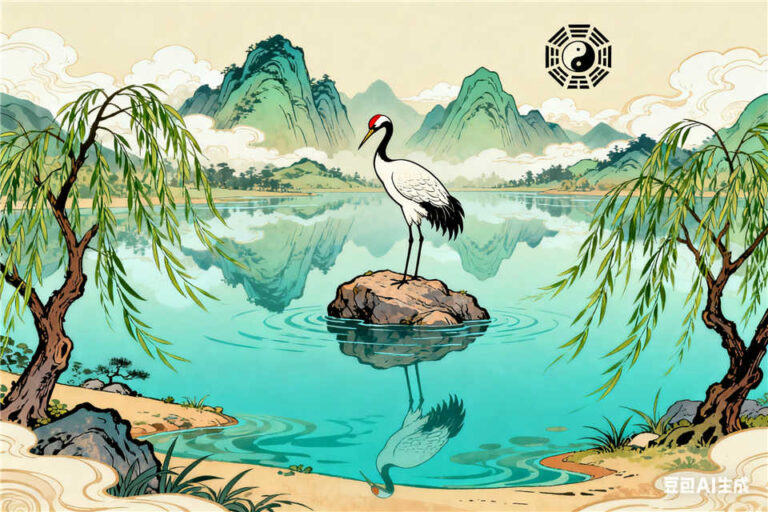
The monastery is encircled by verdant bamboo groves. When breezes rustle through the leaves, their whispering seems to narrate the monastery’s millennia-old tales, adding an air of tranquility and ethereal charm. Lush, dense trees cloak the monastery in verdant shade, while sunlight filters through the foliage, casting dappled patterns that create a serene and pleasant atmosphere. Surrounding the complex is a pond with crystal-clear waters that mirror the temple’s architecture and the surrounding flora. A gentle breeze ripples the surface, creating layers of serene reflections that enhance the scene’s profound beauty. This natural setting not only provides an ideal environment for Taoist practitioners but also attracts numerous scholars and poets to visit and compose verses. It stands as a rare destination in Qingpu where natural beauty and cultural heritage harmoniously complement each other.
IV. Historical Significance and Current State: The Regret of Decline from Glory to Silence
Historically, Qingpu Wanshou Taoist Temple, with its profound Taoist cultural heritage, rich architectural landmarks, and serene natural setting, became a renowned Taoist sanctuary in the region, holding a significant place in the local history of religious and cultural development. It served not only as a venue for religious activities but also as a vital platform for cultural exchange and transmission, exerting a profound influence on the cultural and social life of Qingpu.
Regrettably, however, this once-glorious Taoist sanctuary ultimately fell into ruin. Historical records offer no detailed explanation for its decline—perhaps the structures gradually deteriorated over time, or perhaps changing eras and social upheavals led to the gradual decline of religious activities. Today, we can only imagine the former prosperity and serene beauty of Wanshou Taoist Temple through scattered historical records and people’s recollections. Its abandonment undoubtedly represents a significant loss to Qingpu’s cultural heritage, leaving future generations filled with regret and nostalgia for this once-great Taoist sanctuary.