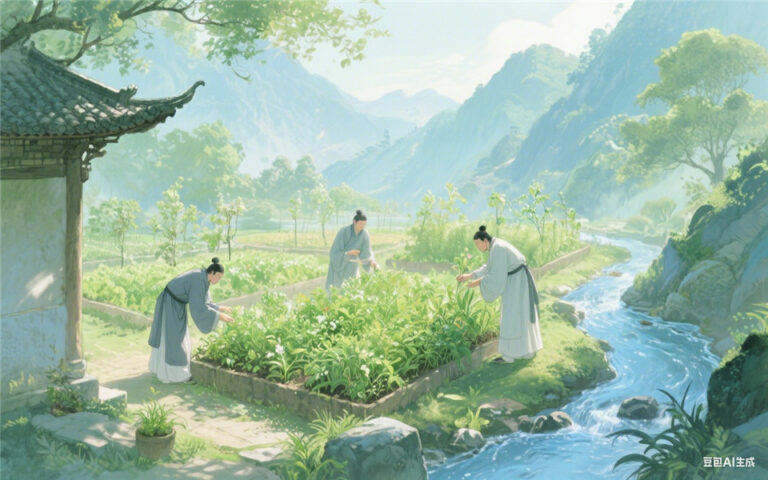

Shanghai Fuxing Temple: A Taoist Memory Lost in the Urban Landscape
Along Shanghai’s bustling Shaanxi Road once stood a site imbued with Taoist cultural significance—Shanghai Fuxing Temple. Though now buried in the dust of history, this branch temple of Hangzhou’s Fuxing Temple on Jade Emperor Mountain left a distinctive mark on Shanghai’s modern religious history through its brief yet extraordinary existence. Looking back at this history today still offers glimpses into the trajectory of Taoist culture’s dissemination and development in Shanghai at that time.
I. Historical Origins: Founding and Establishment
The birth of Shanghai Fuxing Temple was closely tied to a prominent figure in the Daoist community and the unique context of its era. In 1939, amidst the turmoil of the War of Resistance Against Japan, Li Lishan, the abbot of Fuxing Temple on Yuhuang Mountain in Hangzhou, Zhejiang, embarked on establishing a branch temple in Shanghai, driven by his commitment to promoting Daoist culture. Li Lishan, a highly respected figure in Taoist circles, recognized Shanghai’s significance as a major economic and cultural hub for disseminating Taoist philosophy.
During the preparatory phase, Li secured substantial sponsorship from Shanghai’s gentry and secret society leaders, providing crucial financial and resource support for the temple’s establishment. The site was ultimately selected at Jiangjia Lane on the former Shaanxi Road in Shanghai, the location of an old Flower God Temple. Utilizing the existing structure for renovation not only reduced construction costs but also imbued the land with a new religious purpose. Thus, the Shanghai branch of Hangzhou’s Fuxing Temple on Jade Emperor Mountain was formally established. Li Lishan personally served as its abbot, marking the beginning of Shanghai Fuxing Temple’s history.
II. Architectural Style: New Life for an Old Site and Layout
Built upon the former Flower God Temple site, Shanghai Fuxing Temple incorporates typical elements of Daoist temples while preserving parts of the original layout. Externally, it maintains the rustic elegance of traditional Daoist architecture, with its upturned eaves and corners exuding solemn grace—a striking contrast to the surrounding residential buildings.
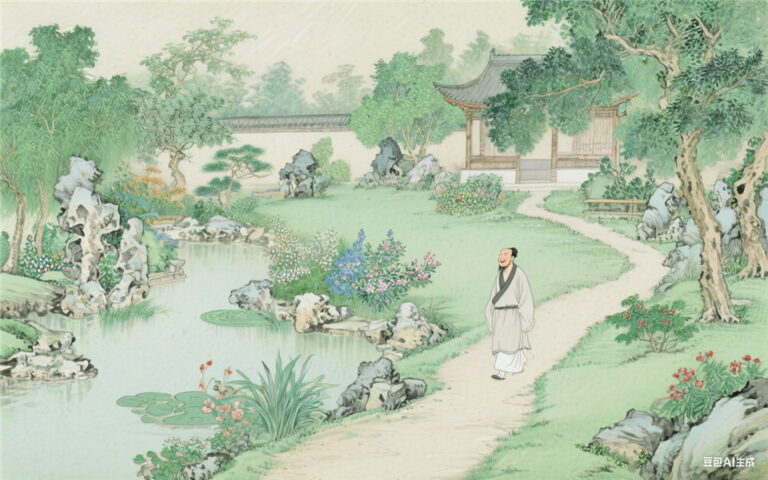
Inside, the layout is meticulously organized. Key structures include the main hall and side halls. The main hall enshrines vividly crafted statues of Taoist deities, where incense smoke swirls, creating a solemn religious atmosphere. The side halls serve various functions: daily living quarters for Taoist priests, storage for religious texts, and reception areas for devotees. Additionally, the temple features a small courtyard adorned with diverse flowers, plants, and trees. This not only beautifies the environment but also provides a tranquil resting place for both devotees and priests.
III. Religious Activities: Function and Influence
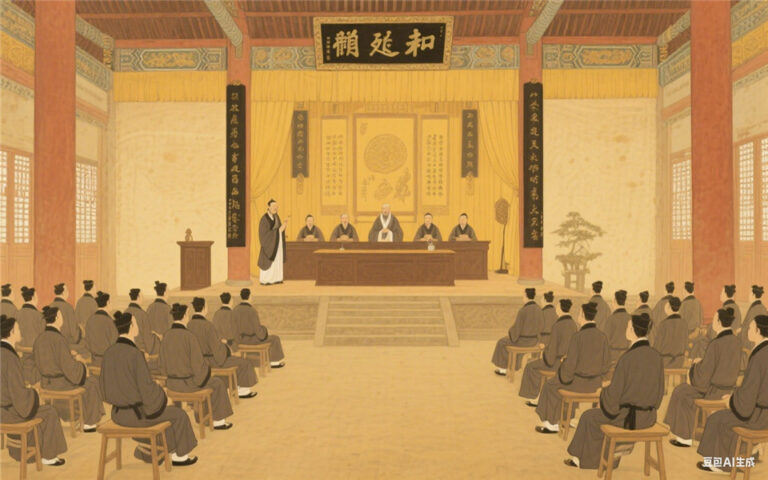
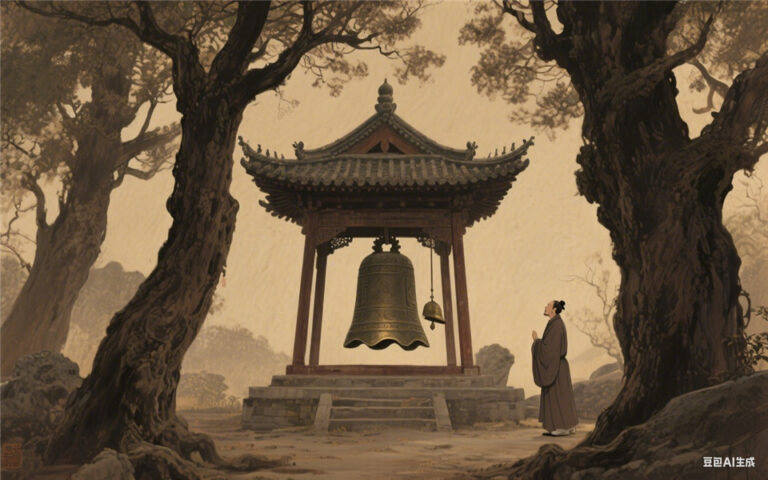
As the Shanghai branch of Hangzhou’s Jade Emperor Mountain Fuxing Temple, Shanghai Fuxing Temple serves significant religious functions. Daily, Taoist priests conduct morning and evening chanting rituals, incense offerings, and blessings, strictly adhering to traditional Taoist protocols. These ceremonies attract numerous local Taoist devotees who come to burn incense, make wishes, listen to scriptural teachings, and seek spiritual solace.
Beyond daily observances, Shanghai Fuxing Temple hosts grand religious celebrations during major Taoist festivals such as the Spring Festival, Lantern Festival, and Double Ninth Festival. During these festivities, the temple is adorned with lanterns and decorations. Taoist priests conduct solemn rituals, while devotees gather to pay homage, creating a vibrant atmosphere. These activities not only enrich the spiritual and cultural lives of Shanghai’s citizens but also contribute to the dissemination of Taoist culture within the city, allowing more people to understand and appreciate its doctrines and traditions.
IV. Historical Transformation: Oblivion and Memory
However, the glory of Shanghai Fuxing Taoist Temple did not last long. With the passage of time and profound changes in the social environment, this once bustling Taoist temple gradually declined. Later, due to various reasons, Shanghai Fuxing Temple was ultimately abandoned and dismantled. Its original structures gradually vanished amid the city’s development, leaving behind only a place name and a faint historical memory.
Today, when people stroll through the Jiangjia Lane area on Shanghai’s Shaanxi Road, they can no longer see any trace of the former Fuxing Temple. Yet this chapter of history has not been entirely forgotten; it remains part of Shanghai’s modern religious history, bearing witness to the existence and development of Taoist culture in the city. For research into Shanghai’s religious culture, social history, and urban transformation, the history of Shanghai’s Fuxing Temple holds undeniable significance. It serves as a reminder that behind this modern metropolis lie many little-known cultural imprints.