Guiyang Medicine King Temple: Guardian of Centuries-Old Medical Heritage
By the banks of Liudong Bridge in Guiyang stands a centuries-old structure bearing witness to over three hundred years of medical tradition—the Guiyang Medicine King Temple, dedicated to venerating Sun Simiao, the Tang Dynasty’s revered “Medicine King.” Constructed in the sixth year of the Kangxi reign (1687), this temple stands not only as one of Guizhou’s few surviving ancient structures dedicated to medicine but also, due to its well-preserved condition and profound cultural significance, has been designated a provincial-level cultural heritage site. It remains an indispensable part of Guiyang’s historical and cultural landscape.
I. Historical Evolution: From Qing Dynasty Medical Shrine to Cultural Landmark
The construction of Guiyang Medicine King Temple is closely tied to the development of medical practices in Guizhou during the early Qing Dynasty. During the Kangxi era, as cultural exchanges between Guizhou and the Central Plains deepened, traditional Chinese medicine concepts gradually took root locally. To honor the spirit of Sun Simiao, the Medicine King, who “saved lives and healed the world,” and to provide a place for folk healers and commoners to pray and exchange knowledge, local gentry and medical practitioners jointly funded the construction of the temple beside Liudong Bridge.
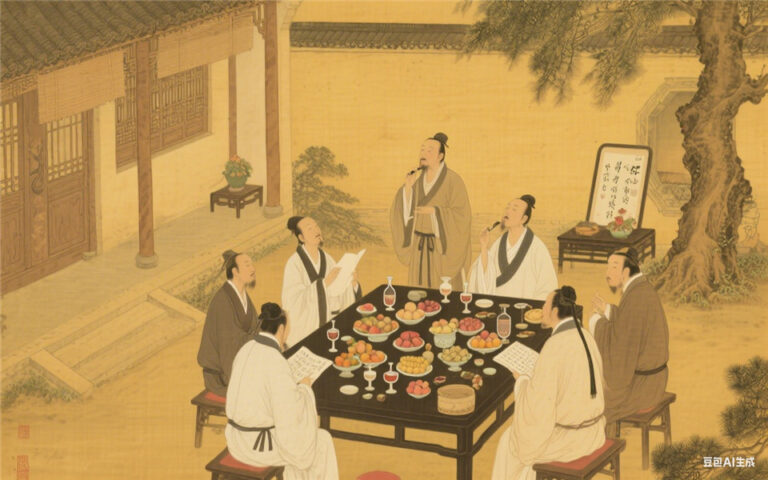
After its completion, the Medicine King Temple became not only a sacred site for worshiping Sun Simiao but also gradually evolved into a center for medical and cultural exchange in Guiyang and surrounding areas. On the 28th day of the fourth lunar month (Sun Simiao’s birthday), grand sacrificial ceremonies were held within the temple. Physicians gathered to exchange medical knowledge and donate medicinal herbs, while commoners came to pray for blessings and seek medical treatment, creating a bustling scene. This cultural tradition persisted for centuries. Even today, the temple’s surviving structures still evoke the vibrant atmosphere of its heyday.
II. Architectural Features: A Refined Presentation of Qing Dynasty Temple Style
As a provincial-level cultural heritage site in Guizhou, Guiyang’s Medicine King Temple boasts well-preserved structures that epitomize the architectural style of mid-Qing Dynasty temples in southern China. Oriented north-south, the complex follows a traditional central axis symmetrical layout comprising the mountain gate, front hall, rear hall, and flanking side halls, covering a total area of approximately 1,200 square meters.
The mountain gate features a single-eave hip-and-gable roof. The plaque bearing the characters “yaowangtemple” (Medicine King Temple) remains legible despite weathering, flanked by carvings depicting “Apricot Grove in Spring Warmth” and “Fragrant Spring at the Tangerine Well”—motifs subtly echoing traditional Chinese medicine themes. Both the front and rear halls are brick-and-timber structures. Their beams and rafters retain Qing Dynasty polychrome paintings, predominantly featuring motifs like pine trees and cranes, lingzhi mushrooms, and other symbols of longevity and auspiciousness. These designs harmoniously complement the image of the Medicine King as a healer who saves lives and extends longevity. The side chambers once served as offices for physicians and storage for medicinal herbs. Though no longer in use, details like the wooden partitions and carved window sills still fully preserve the architectural style of the era.
III. Cultural Value: A Living Vehicle for Traditional Chinese Medicine Culture
The value of Guiyang’s Medicine King Temple extends beyond its architecture; it stands as a vital repository for Guizhou’s traditional Chinese medicine heritage. Sun Simiao, a renowned Tang Dynasty physician, authored the seminal works Prescriptions Worth a Thousand Gold and Supplement to Prescriptions Worth a Thousand Gold. The temple’s construction embodies the local populace’s recognition and reverence for Sun Simiao’s medical contributions.
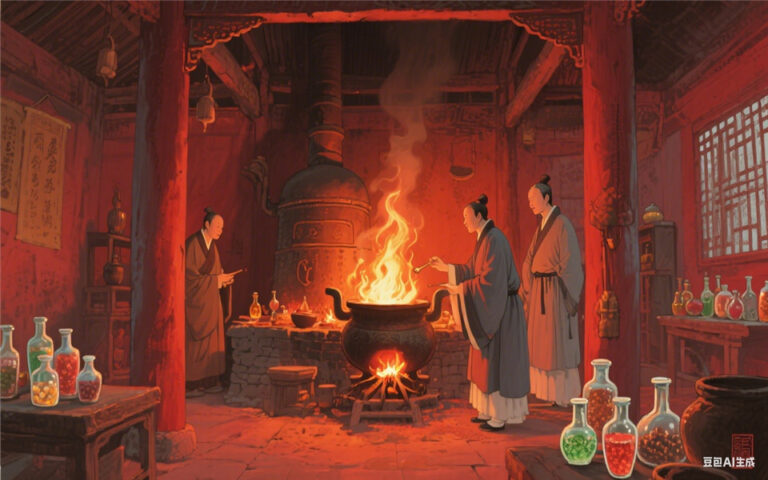
For centuries, the temple has witnessed Guizhou’s TCM evolution: from Qing Dynasty folk healers exchanging knowledge here, to modern TCM shops clustering around it, to its current role as a cultural venue showcasing Guizhou’s medical heritage—it remains inextricably linked to TCM culture. Although large-scale sacrificial ceremonies are no longer held within the temple, it regularly hosts lectures on traditional Chinese medicine knowledge and demonstrations of traditional medical techniques. These activities allow more people to appreciate the charm of traditional Chinese medicine culture, perpetuating the legacy of the “Spirit of the Medicine King.”
IV. Current Conservation Status: Practices in Revitalizing Cultural Heritage
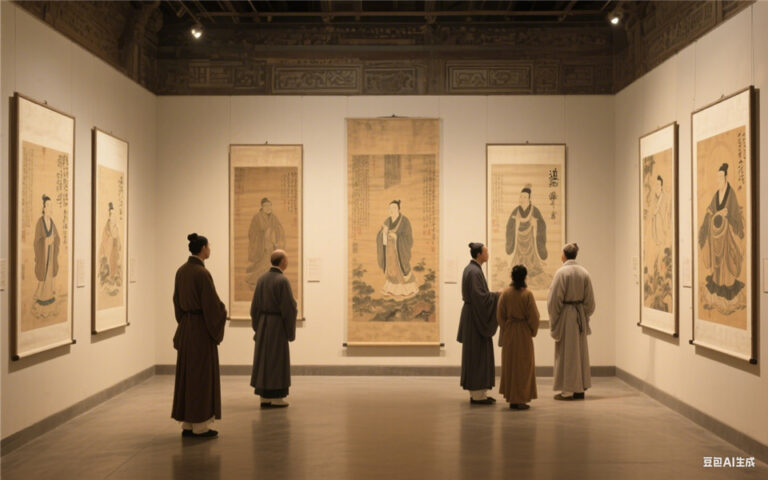
As a provincial-level cultural heritage site, the protection of Guiyang’s Medicine King Temple remains a priority. In recent years, cultural heritage authorities have undertaken repairs to the temple’s roof, beams, and walls, strictly adhering to the principle of “preserving the original state of cultural relics” to maximize the retention of the ancient architecture’s historical character. Simultaneously, to breathe new life into the heritage site, authorities have established a small exhibition area within the temple. Displaying Qing Dynasty medical texts, traditional pharmaceutical tools, and other artifacts, combined with illustrated explanations, this space narrates the history of the Medicine King Temple and the developmental trajectory of Guizhou’s traditional Chinese medicine culture to visitors.
Today, strolling through the Medicine King Temple beside Liudong Bridge allows visitors to appreciate the exquisite beauty of Qing Dynasty architecture while immersing themselves in the profound heritage of traditional Chinese medicine. Having weathered over three centuries, this temple now stands as a vital landmark in Guiyang’s efforts to preserve historical memory and promote traditional cultural heritage through a model that integrates “cultural relic protection with cultural inheritance.”