Drawing Strength from Taoist Wisdom: How to Find Your Morning Motivation
At dawn, when the alarm rings, many find themselves trapped in a cycle of reluctance—unwilling to rise, unwilling to move—feeling a lack of motivation to start the new day. In truth, Chinese Taoist philosophy holds profound wisdom on “going with the flow” and “self-harmonization.” Integrating these principles into your morning routine can effortlessly awaken your inner energy, allowing you to greet the day with composure.
1. Rise with the Hours: Align with “The Way Follows Nature” and Synchronize with Your Circadian Rhythm
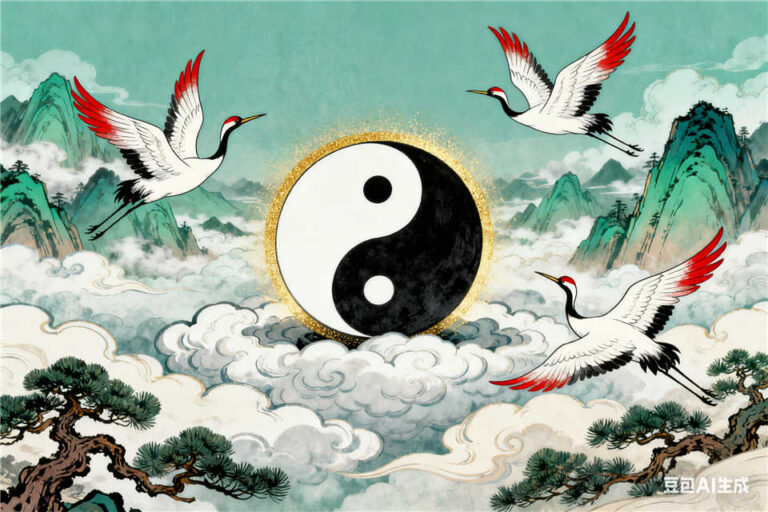
Taoism emphasizes “The Way Follows Nature,” believing all things operate according to inherent patterns. As part of nature, humans should align with the rhythms of heaven and earth. The Yellow Emperor’s Classic of Internal Medicine outlines the health principle: “Spring brings birth, summer fosters growth, autumn gathers harvest, winter stores away.” Applied to daily life, this means “rise with the sun and rest with its setting.”
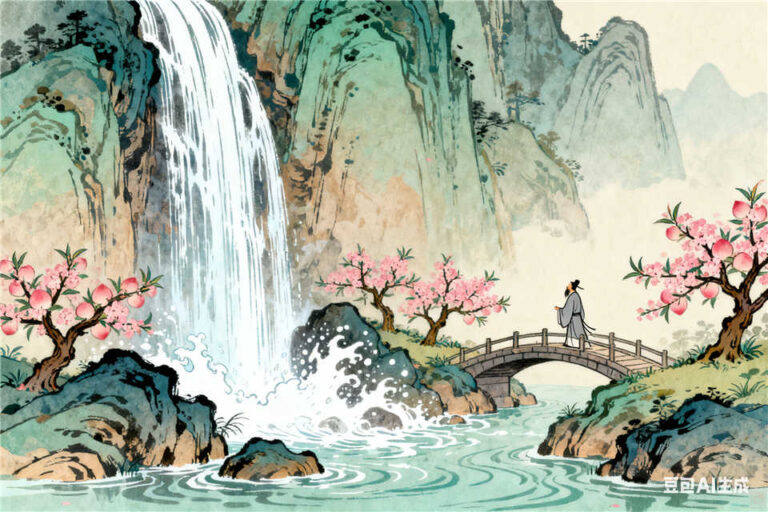
Many struggle with morning lethargy because they violate their circadian rhythm—forcing an early rise after staying up late leaves the body “overdrawn,” making it hard to feel energized. Taoism advocates “breathing in unison with heaven and earth,” suggesting seasonal adjustments to wake-up times: rise slightly earlier in spring to harness the rising yang energy to awaken the body; rise slightly later in winter, waiting until the first light of dawn and the gradual ascent of yang energy before getting up. Upon waking, there’s no need to rush out of bed. Instead, close your eyes and take deep breaths, sensing the light and sounds outside the window. Allow your body to transition gently from sleep to wakefulness, like tender shoots unfurling slowly in the spring breeze. Motivation will then arise naturally with the rhythm.
2. Simplify Your Morning: Practice “Less is Gaining, More is Confusion” to Reduce Internal Energy Drain
The Taoist classic Dao De Jing states: “Less is gaining, more is confusion.” This means that fewer desires and simpler choices lead to greater fulfillment; pursuing too much and letting distractions multiply only leads to confusion. Many struggle with morning motivation precisely because their energy is drained by complex tasks—worrying about making breakfast while fearing being late for work, agonizing over what to wear, and feeling so mentally cluttered that they lose the will to act.
Embrace the Taoist wisdom of simplification by applying “subtraction” to your morning routine: Prepare clothes and ingredients the night before, and even streamline tomorrow’s to-do list to just 1-2 core tasks. Upon waking, start with a small, “purpose-free” activity—like leisurely brewing a cup of tea or gazing at the trees outside for a few minutes. Without rushing yourself or worrying about the future, your energy will gradually gather in this state of “fewer, focused tasks,” and motivation will follow.
3. Nurture Energy: Awaken Vitality Through “Exhaling the Old, Inhaling the New”
Daoism emphasizes “nurturing qi,” viewing ‘qi’ as the fundamental life force. Morning is the prime time for “exhaling stale energy and inhaling fresh vitality to replenish original qi.” After a night’s sleep, stagnant energy accumulates within the body. By expelling this through simple breathing or movement while drawing in fresh energy, bodily functions can be swiftly activated.
No complex exercises are needed. Simply find a quiet corner after waking, stand with feet shoulder-width apart, and let your hands hang naturally at your sides. First, inhale slowly through your nose, feeling your abdomen gradually expand as if drawing in the pure energy of heaven and earth. Then exhale gently through your mouth, expelling the stale energy from your abdomen. Accompany this with subtle body stretches—such as inhaling as you raise your arms and exhaling as you lower them—repeating this sequence 5-10 times. This process is like “recharging” your body. After expelling stale air, your body feels lighter and your mind clearer. The heavy “unwillingness to move” transforms into the motivation to “do something.”
4. Go with the flow: Embrace “non-action” and avoid forcing motivation
Many feel anxious in the morning due to “lack of motivation,” forcing themselves to “get energized” only to fall into a vicious cycle where “the more they push, the more resistance they encounter.” Taoist “go with the flow” doesn’t mean doing nothing, but rather avoiding deliberate coercion and staying true to your nature, allowing actions to unfold naturally.
If you genuinely lack energy upon waking, don’t berate yourself. Start with a “simple, effortless task”—tidy your desk, fold your bedding, or even just change into comfortable clothes. These small actions require no “motivation” yet yield a subtle sense of accomplishment upon completion. Taoism holds that “small things accumulate into great things.” Tiny actions, like drops of water, gradually coalesce into the motivation to “keep going.” Just as a spring seed doesn’t force its way through the soil but sprouts upward naturally when the temperature and humidity are right, human motivation also grows organically when not forced through deliberate effort.
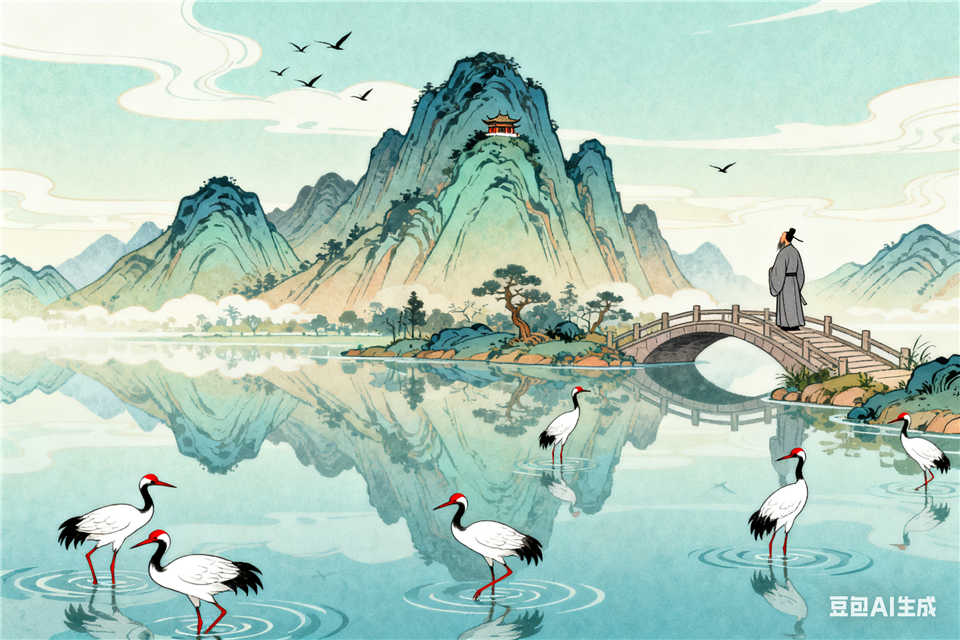
Taoist wisdom teaches that motivation isn’t “found” but “nurtured”—by following nature’s rhythm, simplifying life, replenishing your energy, and staying true to your heart. Then, each morning, you’ll naturally possess the strength to begin anew.