Fengtai Maoxian Cave: Taoist Legend of the Scenic Spot on the Huai River
At the foot of the East Peak of Sanfeng Mountain in Fengtai County, Anhui Province, lies a renowned Taoist temple known as Maoxian Cave. Like a dazzling pearl, it is nestled along the banks of the Huai River, emanating an air of mystery and allure.
Mao Xian Cave has a long history dating back to the Western Han Dynasty. Legend has it that the three brothers Mao Ying, Mao Gu, and Mao Zhong lived in seclusion here, practicing their arts, and eventually attained enlightenment and became immortals. The cave was thus named Mao Xian Cave and has since become a sacred site for generations of religious devotees. As you step into this sacred place, it feels as though you have traveled through time, entering a ancient and legendary historical tapestry.
The two-story brick-and-wood structure of the main hall before the cave is solemn and elegant. The hall is three bays wide, with eaves and corners curving upward like the wings of a soaring phoenix, exuding a rustic charm and grandeur. The four large characters “Mao Xian Ancient Cave” on the plaque are bold and powerful, as if narrating the vicissitudes of time. The hexagonal pavilion beside the hall stands like an elegant guardian, quietly providing visitors with a place to rest and admire the scenery.
Upon entering Maoxian Cave, a mysterious aura envelops you. The cave is winding and deep, with caves within caves, all interconnected, resembling a vast labyrinth. Legend has it that the cave is over ten thousand feet deep, and the further you venture in, the more profound and mysterious it becomes, as if leading to another world. The stalactites and stalagmites inside the cave take on various shapes, and under the glow of the lights, they appear like a dream, some resembling fairies descending from heaven, others like galloping horses. The marvels of nature are fully displayed here.
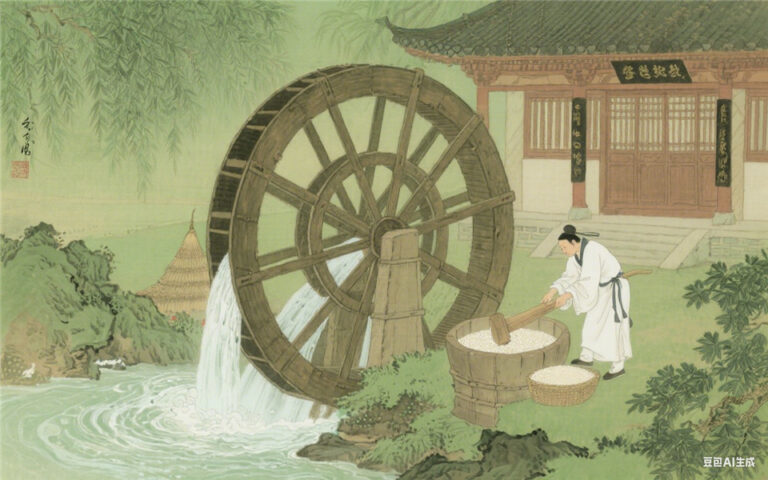
Beyond the cave itself, the surrounding historical sites and landmarks add a rich cultural depth to the area. The site where Yu the Great tamed the floods evokes the hardships and greatness of his legendary feats, with his spirit of perseverance seemingly carried on here; Liu An’s Alchemy Well bears witness to the history of Liu An, the King of Huainan, refining elixirs here, and also reminds one of the birth of tofu, a timeless Chinese delicacy; Shoutang Pass, this ancient fortress, having endured countless wars and hardships, seems to narrate the tales of past battles.
For centuries, Maoxian Cave has been a place of constant pilgrimage, with visitors coming and going in a steady stream. The temple fairs held on the 19th day of the second lunar month and the 30th day of the seventh lunar month attract pilgrims and tourists from all directions, who gather here to pray for peace and happiness, immersing themselves in the rich religious atmosphere and folk culture. Amidst the hustle and bustle and tranquility, Maoxian Cave has always upheld its simplicity and mystery, becoming a spiritual haven and a place of longing for people’s hearts.
Fengtai Maoxian Cave, with its unique natural scenery, long-standing historical and cultural heritage, and profound religious traditions, has become a dazzling gem of Huai River culture, attracting countless people to explore its charm and experience its wonders.