Living in Accordance with the Tao: Taoist Insights into Human Nature Simplify Life’s Complexities
For millennia, countless philosophers have sought the essence of human nature. Yet Chinese Taoist thought, like a serene sage, has long outlined the contours of this truth across the ages. Eschewing complex speculation, it draws from the essence of nature and life itself to offer the most unadorned yet profound answers.
1. Human Nature is Authentic: Following Nature, Pure as the “Dao”
The core concept of Taoism is the “Dao,” which is considered the origin of all things. Human nature is the manifestation of the ‘Dao’ within people. The Tao Te Ching states, “Man follows the earth, the earth follows heaven, heaven follows the Dao, and the Dao follows nature.” This means the true nature of humanity lies in conforming to the laws of nature—without artifice or pretense.
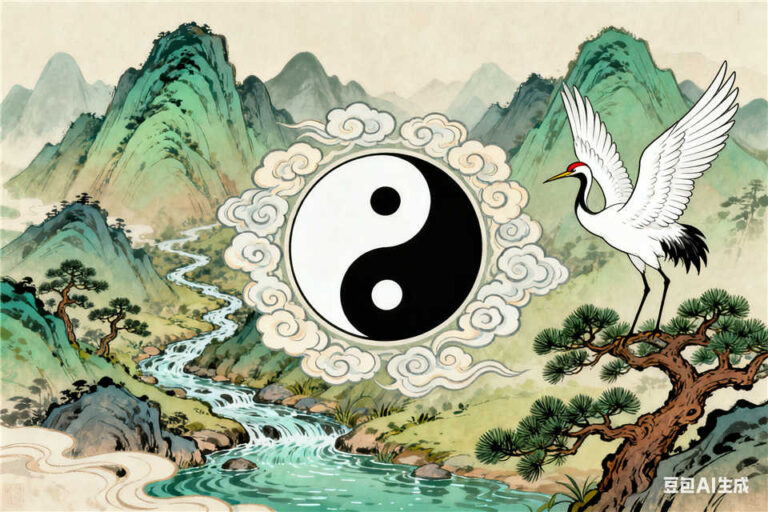
Like mountain streams flowing naturally forward, unaltered by external obstacles; like plants on branches, sprouting in spring, growing in summer, yielding in autumn, and storing in winter—all following life’s rhythm. Taoism holds that humanity’s original nature mirrors these streams and plants: pure and natural, free from excessive desires and distractions. Yet as people grow, they become entangled by external fame, profit, and vanity, gradually straying from the path of the Dao, becoming anxious and restless. One truth of human nature lies in rediscovering this authenticity—letting go of forced pursuits, aligning one’s words and deeds with nature’s laws, neither straining oneself nor demanding perfection from others.
2. Truth of Living: Gentleness and Non-Competition Lead to Longevity
In Taoist thought, “softness and weakness” does not equate to cowardice. Rather, it represents a wisdom of living that aligns with human nature and the natural world—a crucial manifestation of human truth. The Tao Te Ching states, “The highest good is like water. Water benefits all things without competing.” Water appears soft and weak, yet it can penetrate hard rock and nourish all living things. It does not vie with others for superiority or measure itself against others, yet it possesses immense power in its unassuming way.
This wisdom of “non-contention” resonates profoundly with human nature. While competition is innate, excessive ambition only traps us in endless strife and exhaustion. Taoist “non-contention” does not mean abandoning effort, but rather letting go of fixation on winning or losing, and refraining from deliberate comparison with others. As the ancients said, “Peach and plum trees speak not, yet beneath them paths form.” When one focuses on self-improvement and fulfilling one’s duties without vying for momentary advantage, recognition and respect naturally accumulate over time. This paves a steadier, longer path through life. This is the truth Taoism reveals about human nature in worldly affairs: Gentleness and non-contention enable steady progress over the long haul.
3. The Truth of Desire: Contentment Brings Sufficiency, Not Servitude to Possessions
When discussing human nature, desire is inescapable. Taoism does not deny human desires; after all, instinctive cravings like hunger and the thirst for knowledge form the foundation of survival. Yet Taoism asserts that the truth of human nature lies in “contentment”—understanding how to control desires and avoid becoming enslaved by material possessions.
The Dao De Jing’s maxim, “Knowing when you have enough is true contentment; knowing when to stop avoids danger,” offers the finest commentary on desire. Human suffering and confusion often stem from desires exceeding one’s capabilities and needs. Consider someone content with a warm, modest home who, upon seeing others in larger houses, develops envy. They then strive relentlessly to earn money for a bigger home, only to end up burdened by heavy mortgages, exhausted daily, and ultimately losing their original happiness. The Taoist principle of “knowing contentment” does not advocate complacency or stagnation. Rather, it encourages recognizing one’s true needs and resisting the allure of external material temptations. When one understands contentment, anxiety over unfulfilled desires dissipates, and joy can be found in ordinary life. This is the most fundamental truth of human nature when confronting desire.
4. Truth of Life and Death: Unity of Life and Death, Facing It with Serenity
Life and death are humanity’s inescapable ultimate themes, and Taoist wisdom on this subject reveals profound truths about human nature. Taoism views life and death as natural cycles akin to day and night, or the seasons—the inherent laws of the Dao. Humans come from the Dao and ultimately return to it; life and death are fundamentally one. There is no need to fear death excessively.
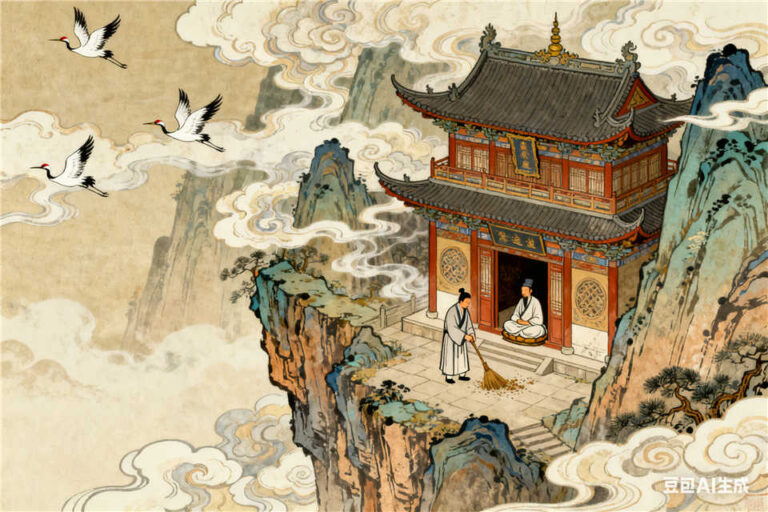
This perspective allows people to face life’s end with greater equanimity. It does not encourage passive waiting for death, but rather urges us to cherish our time alive, to do meaningful things within our finite existence, and to live up to life’s gift. Like ancient Taoist priests, they focused on self-cultivation not to pursue immortality, but to enrich the quality of their lives, so that when facing death, they could return to nature without regret. This serenity toward life and death embodies human maturity and reveals the truth about mortality that Daoism teaches us: only by accepting the natural laws of birth and death can one live out the true essence of life.