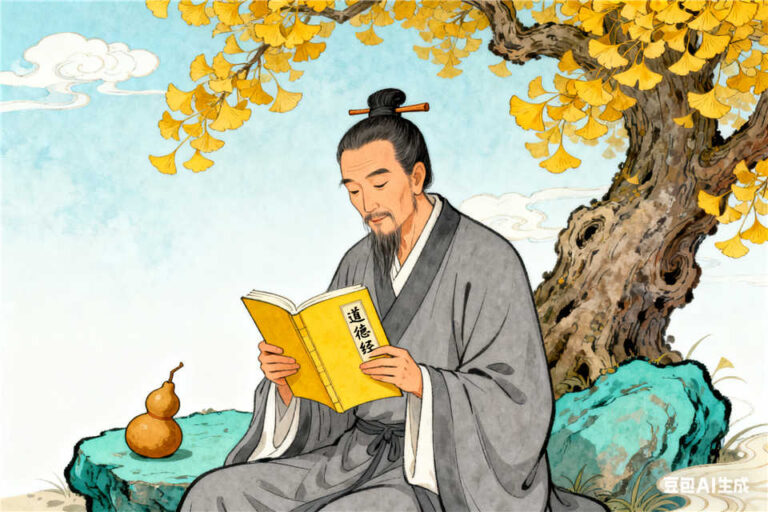

Opening: When AI Questions the Boundaries of the Tao
From smart speakers responding to daily queries to algorithms driving credit decisions, artificial intelligence has permeated the fabric of our lives. The debate over whether it will ultimately “help” or “harm” humanity has never ceased. The wisdom of Chinese Taoist thought—embodied in principles like “The Tao follows nature” and “Yin and Yang complement each other”—may offer a perspective that cuts through the technological fog: AI itself is neither good nor evil; its impact hinges on whether humanity governs ‘technique’ with “the Tao.”
1. The Tao Follows Nature: AI’s Value Lies in Aligning with Natural Laws
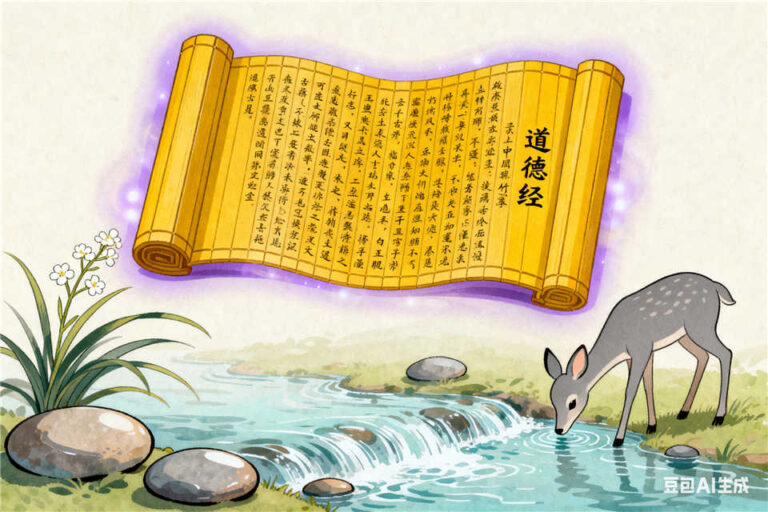
The Tao Te Ching states, “Man follows the earth, the earth follows heaven, heaven follows the Tao, and the Tao follows nature,” emphasizing that all development must align with fundamental laws. As a human-created “technique,” AI’s positive value lies precisely in its adaptation to natural and social laws.
In healthcare, AI-assisted imaging diagnostics have reduced misdiagnosis rates to unprecedented lows, aligning with the social imperative of “saving lives and healing the wounded.” In agriculture, intelligent irrigation systems deliver precise watering based on soil moisture levels, aligning with the ecological principle of “harmony between heaven and humanity.” Conversely, forcing development against these laws—such as abusing algorithms to push vulgar content that depletes users’ mental well-being, or excessively collecting data that infringes on privacy—leads to the predicament of “going against the Dao.” This is precisely the core issue at the heart of current AI controversies.
2. Know the White, Guard the Black: AI’s Risks Lie in Overreach
Laozi’s admonition to “know the white, guard the black” cautions humanity to balance wisdom with humility. This principle is crucial for preventing AI harm.
AI’s “white” represents its superior computational and learning capabilities beyond humans; the “black” that must be guarded signifies the technology’s limitations and inherent risks. Some developers, fixated on creating “omniscient and omnipotent” general AI, overlook unemployment risks and algorithmic bias—falling into the trap of “excessive knowledge breeds error.” For instance, intelligent recruitment systems that exclude certain groups due to biased training data exemplify the consequences of “prioritizing technique over principle.” Daoist wisdom reminds us: AI should remain “practical” rather than “omnipotent,” preserving space for human moral judgment and societal resilience.
3. The Highest Good is Like Water: AI’s Ultimate Goal is Harmonious Coexistence
“The highest good is like water, which benefits all things without contention.” Daoism uses water to symbolize the highest form of goodness—a principle that should also guide AI development: nurturing society without vying for dominance.
Currently, AI demonstrates this “water-like nurturing” value through personalized tutoring for left-behind children in education and precise drone search-and-rescue during disasters. Achieving such harmony requires practicing the ethical principle of “cultivating virtue through moral cultivation”: developers must enhance ethical literacy, embedding fairness and justice into algorithm design; regulators should embrace “non-interventionist governance,” reducing excessive interference while fortifying ethical boundaries. Only thus can we prevent technological alienation, ensuring AI becomes a stabilizing force for society rather than a disruptive one.
Conclusion: Mastering the Art Through the Way
AI is the crystallization of human wisdom, and its ultimate trajectory is never determined by technology alone. Taoist wisdom—embodying “following nature’s way” and “knowing the white while embracing the black”—reveals: When technological advancement aligns with universal principles, maintains reverence, and seeks harmony, AI becomes a force for human benefit. Conversely, relentless pursuit of profit, disregard for ethics, and reckless boundary-crossing inevitably lead to harm.
Guiding technology with principle allows AI to nurture all things like flowing water without contention—this is humanity’s ultimate answer for coexisting with artificial intelligence.