
Qianshan Yuanyao Temple: Traces of Taoist Culture Deep in the Mountains of Anhui
The majestic Mount Wan and the vast Wan River flow through the lush greenery of the eastern suburbs of Qianshan County, Anhui Province, where once stood a Taoist temple steeped in six centuries of spiritual heritage—the Yuanmiao Temple. This Taoist holy site, originally built during the Hongwu era of the Ming Dynasty, has endured the vicissitudes of history and undergone several periods of decline and revival. Yet it has always left a faint yet enduring imprint within the cultural fabric of the Wanjiang region.
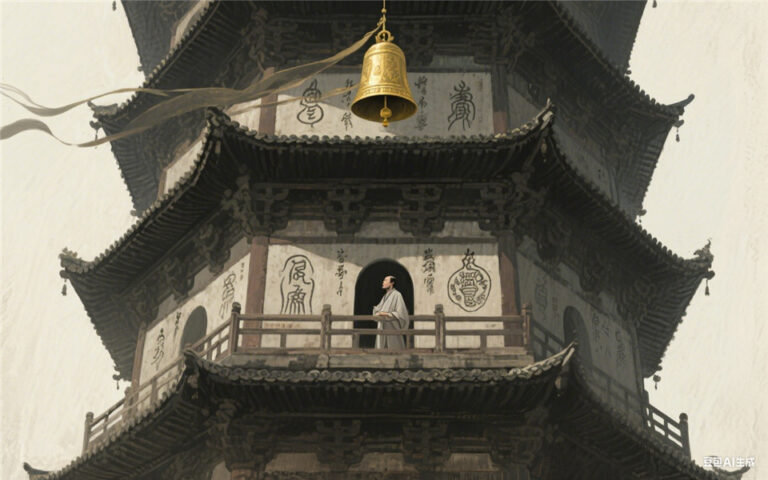
In the early years of the Hongwu era, as the empire was newly unified, Emperor Hongwu Zhu Yuanzhang promoted Taoism, and temples and shrines were constructed across the land to promote its teachings. The Yuanmiao Temple in Qianshan was established during this period, originally built to worship the God of Destiny. The God of Destiny presides over human fortune, misfortune, longevity, and mortality, holding a revered status in folk belief. The temple was bustling with incense and offerings, with the morning bells and evening drums resonating with the pine waves of Wanshan Mountain, making it an important religious site in the Qianshan area at the time. According to local historical records, the originally constructed Yuanmiao Temple covered nearly 100 acres, with buildings such as the mountain gate, the Three Pure Ones Hall, and the Lord of Destiny Hall arranged along the central axis. The eaves and brackets were carved with images of the Eight Immortals of Daoism and cloud patterns, showcasing the grandeur and vitality of Ming Dynasty palace and temple architecture.
During the turmoil of the late Ming Dynasty, with wars raging, Yuanmiao Temple was not spared. Its halls and pavilions were gradually destroyed in the chaos of war, leaving only a few crumbling walls and ruins. It was not until the early Republican era that local gentry and Daoist devotees raised funds to rebuild the temple, renaming it the “Three Officials Hall” to house the Upper Yuan Heavenly Official, Middle Yuan Earthly Official, and Lower Yuan Water Official, in hopes of praying for favorable weather, national prosperity, and people’s well-being. Although the scale of the rebuilt temple does not match its former grandeur, it retains the architectural style of the Ming Dynasty, particularly the beams and columns of the Sanqing Hall, which still use the ancient timber from that era, with the wood grain bearing the marks of time.
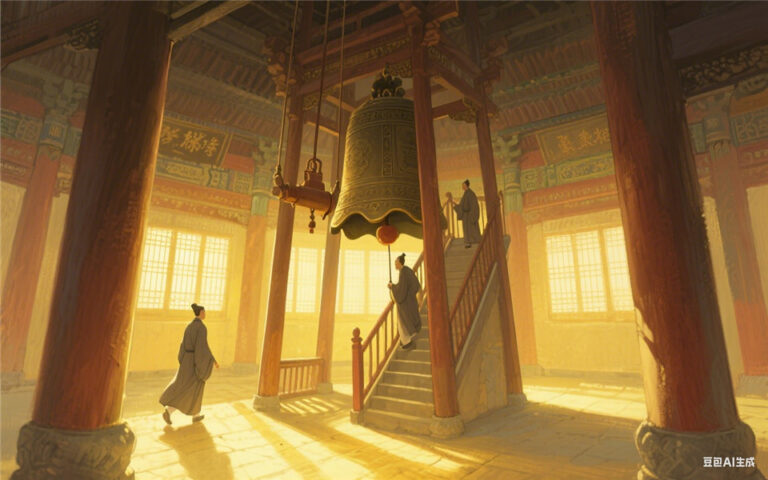
Unfortunately, the good times did not last long. With the passage of time, the San Guan Hall fell into disrepair once again due to neglect. Today, when walking through the eastern suburbs of Qianshan, one can only find a few broken steles engraved with cloud patterns and an ancient well said to be a remnant of the temple, hidden among the farmland and bamboo groves. The well water is clear and sweet, and it is said that the Taoist priests once used this water to refine elixirs and medicines to nourish the body and mind. Local elders can still recount tales of the bronze bell once housed within the temple, whose tolling could be heard as far as the depths of Mount Wan ten miles away. On the first and fifteenth days of each lunar month, devotees would flock to the temple in endless streams to seek blessings.
The rise and fall of Yuanmiao Temple is a microcosm of the rise and fall of Daoist culture in Qianshan. From an official sacrificial site during the Ming Dynasty to a center of folk belief during the Republic of China era, it has always been deeply rooted in the folk customs and beliefs of this land. Though the buildings no longer exist, the legends of the Lord of Destiny and the stories of the Three Officials Hall continue to circulate among the local people, becoming a unique Daoist-infused landscape in the cultural memory of Qianshan.
Standing on the ruins of Yuanmiao Temple, gazing at the lush greenery of Wanshan Mountain in the distance and listening to the croaking of frogs on the field ridges, one can almost still feel the breath of the Daoists practicing breathing exercises in the morning and hear the sounds of bells and chimes echoing through time. This vanished temple has long transcended its architectural significance, becoming a spiritual link between the people of Qianshan and history, quietly narrating the era of walking hand in hand with Daoism deep within Wanshan Mountain.