Shanghai Sanyuan Temple: Traces of the Passing Years
Originating in Hongkou, first built in the Ming Dynasty
The history of Shanghai Sanyuan Temple can be traced back to the Ming Dynasty, when it was founded by Ling Guangxian, a local resident, and originally located in Hongkou, Shanghai County. At that time, it may have been a modest-sized temple, yet it carried the faith and aspirations of the local people, becoming an important spiritual and cultural hub in the region.
Relocation to the South Gate and Gradual Expansion
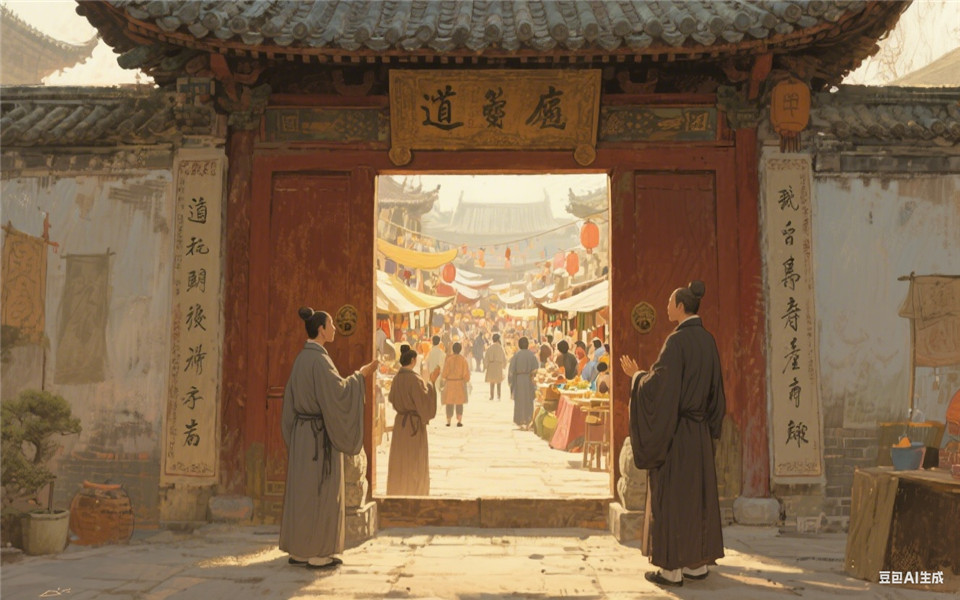
In the 24th year of the Wanli reign (1596), the San Yuan Temple underwent a significant historical transformation, being relocated to the area outside the South Gate of Shanghai County. This relocation may have been influenced by the social environment and regional development at the time, opening up new possibilities for the temple’s future development.
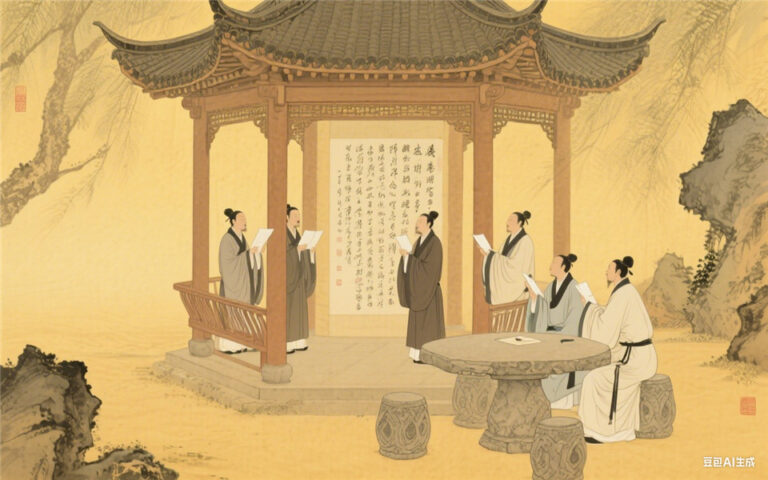
In the 23rd year of the Kangxi reign (1684), Cao Chuanchan and Cao Chuanlang oversaw the construction of the (Hè Xuān), adding a new architectural element to the San Yuan Temple. The construction of the not only enriched the architectural layout of the temple but may also have enhanced its cultural significance and aesthetic appeal.
In the 11th year of the Qianlong reign (1746), the local community undertook a major renovation of the San Yuan Temple. This renovation reflected the local people’s and maintenance of the temple, enabling the temple, which had weathered the test of time, to be revitalized and continue fulfilling its functions.
In the first year of the Daoguang reign (1821), the San Yuan Temple underwent a large-scale renovation and expansion, which not only rebuilt the main hall but also added a rear hall. This series of projects further expanded the scale of the temple, improved its architectural layout, and showcased the prosperity of the San Yuan Temple at that time.
Repeatedly damaged and gradually forgotten
In the fifth year of the Xianfeng reign (1855), the San Yuan Temple was destroyed during a period of turmoil. However, despite such severe damage, it did not disappear completely, and soon after, efforts were made to renovate it, demonstrating its importance in people’s hearts.
However, over time, the temple suffered further damage and eventually faded from public view in the course of history. Although its specific appearance is now difficult to trace, the imprint it left on the development of Shanghai County provides valuable clues for researching local history, religion, and folk culture.