Shanghai Songjiang Daoist Temple: A Millennium-Spanning Imprint of Daoist Culture
As one of Shanghai’s most historically significant Taoist sites, Songjiang Taoist Temple preserves religious and cultural memories spanning the Song, Yuan, and Ming dynasties. Its rise and fall reflect not only the history of a single structure but also the evolution of local folk customs and beliefs. Located in the southeastern part of what was once Shanghai County, the temple endured wars and natural disasters yet left a clear developmental trajectory in historical records.
1.Origins: The Hall of Sacred Vows for Salt Supervisors in the Song Dynasty
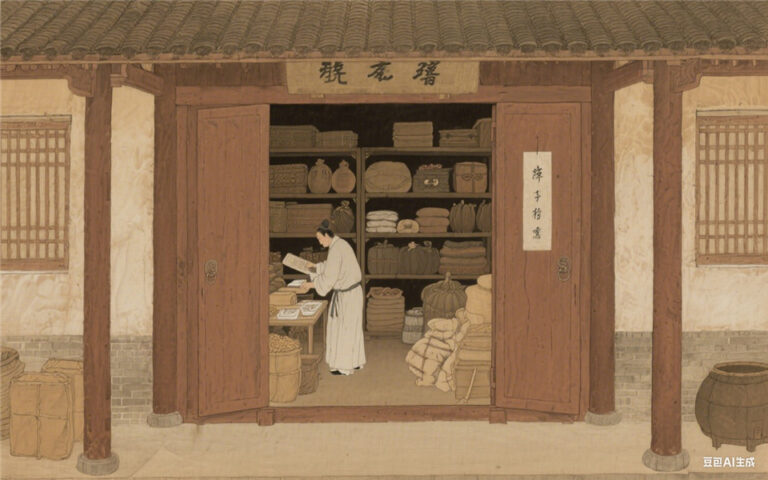
Legend holds that the predecessor of Songjiang Taoist Temple was the Hall of Sacred Vows for Salt Supervisors during the Song Dynasty. Given its proximity to the East China Sea, the Songjiang region thrived on salt production as a vital economic industry during this period. The imperial court established Salt Supervisors to oversee salt affairs here. To pray for abundant salt harvests and local peace, the Salt Supervisor oversaw the construction of this temple for sacrificial rites and blessing ceremonies. At this stage, the structure was not yet named a “Daoist temple,” functioning more as a ceremonial site blending official and folk beliefs. Nevertheless, it laid the groundwork for the later integration of Daoist culture. Regrettably, this early structure did not endure, ultimately destroyed by a major fire. Its precise form and scale remain difficult to ascertain due to the scarcity of historical records.
2.Naming: The Embryonic Form of the Taoist Temple in the Third Year of Xianchun
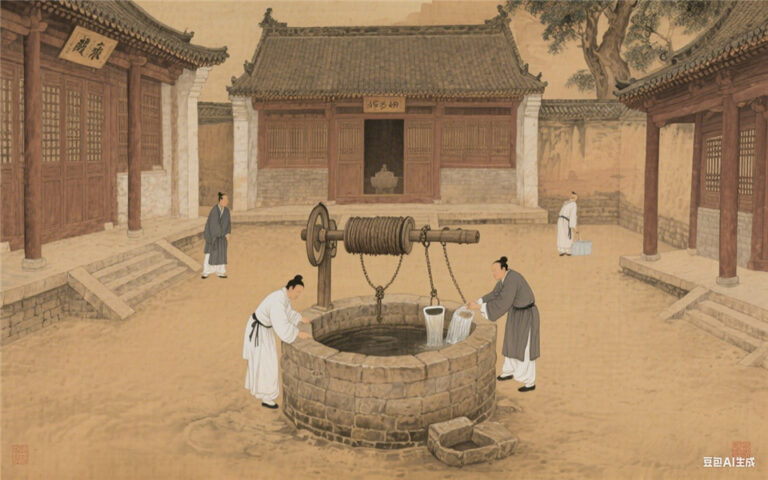
The third year of Xianchun (1267) in the Song Dynasty marked a pivotal turning point in the history of the Songjiang Taoist Temple. That year, official Dong Kai was dispatched to assume duties at the Songjiang Subprefecture. Within three days of his arrival, he followed precedent by paying homage at the ruins of the previously destroyed Hall of Imperial Blessings. After surveying the site and studying local religious traditions, Dong Kai resolved to reorganize the location, formally designating it as a “Daoist Temple” and integrating it into the framework of Daoist institutions. This initiative not only endowed the structure with new religious significance but also established it as a central venue for Taoist activities in the Songjiang region. Compared to the earlier Hall of Divine Blessings, the Daoist Temple functioned primarily as a site for conducting Taoist rituals and gathering believers, marking a new phase in the development of local Taoist culture.
3.Restoration: Reconstruction During the Yuan Dynasty’s Zhizheng Era
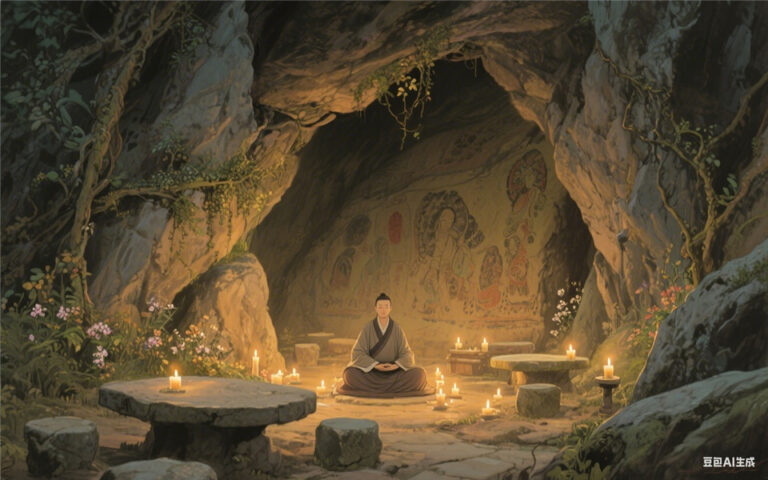
After the Yuan Dynasty’s establishment, the Songjiang Taoist Temple gradually fell into disrepair due to neglect. In the 20th year of Zhizheng (1360), an unnamed Taoist priest initiated a reconstruction project, historically known as the “Zeng Jianyuan Restoration.” This restoration not only repaired the main structures but likely also supplemented and renewed the internal deity statues and ritual implements. During the Yuan Dynasty, Daoism—particularly the Zhengyi School—held significant influence in the Jiangnan region. The reconstruction of Songjiang Daoist Temple served both as a continuation of Daoist cultural traditions and reflected the enduring popular veneration for Daoist beliefs at the time. Following the repairs, religious activities resumed at the temple, making it an indispensable part of folk life in the Songjiang area during the Yuan Dynasty.
4.Rise and Fall: Revival in the Hongwu Era and Catastrophe in the Jiajing Era
Entering the Ming Dynasty, Songjiang Daoist Temple experienced a dual fate of “revival” and “destruction.” In the 30th year of Hongwu (1397), Taoist priest Zhao Yishan once again oversaw extensive renovations. This large-scale restoration further refined the temple’s architectural layout, significantly boosting its popularity. Benefiting from the relatively tolerant policies toward religious sites in the early Ming, the temple entered a golden age of development, becoming a major pilgrimage and prayer destination for devotees in the surrounding areas. However, this prosperity was short-lived. In the second year of the Jiajing reign (1523), a sudden lightning strike struck the temple, reducing its structures to ruins once more. Following this destruction, historical records concerning Songjiang Daoyuan gradually diminished. Whether it was rebuilt afterward and what ultimately became of it remain unresolved historical mysteries to this day.
The millennium-long evolution of Songjiang Taoist Temple bears witness to the religious cultural development and social transformations of the Shanghai region across the Song, Yuan, and Ming dynasties. Though its structures no longer stand today, the scattered records preserved in historical documents provide invaluable clues for researching the history of Taoism in the Jiangnan region and local folk customs, cementing its place as an indelible memory within Shanghai’s historical and cultural tapestry.