
Songjiang Changchun Taoist Temple: A Millennium-Old Imprint of Quanzhen Taoism in Shanghai
Nestled within the historical landscape of Songjiang District, Shanghai, stands an ancient structure bearing the memory of Taoist culture—the Changchun Taoist Temple. It is not only a precious cultural relic of Songjiang District but also the earliest Quanzhen Taoist temple in the Shanghai region, bearing witness to the spread and development of Taoist culture in the Jiangnan area.
1. Historical Evolution: A Century Journey from Founding to Prosperity
The origins of Songjiang Changchun Taoist Temple trace back to the Yuan Dynasty, specifically established in the 10th year of the Dade era (1306) by Taoist priest Zheng Zhen. Initially modest in scale, it served primarily as a basic religious venue. Over time, the temple’s influence gradually expanded, attracting the attention and support of local gentry. Prominent local families, including Ji Su and Xia Shichang, recognized the monastery’s importance in preserving culture and soothing public sentiment. They voluntarily contributed funds to acquire seven mu of additional land for expansion. This expansion was significant, not only increasing the monastery’s footprint but also improving its functional layout. It transformed Changchun Daoyuan from a small Taoist temple into a formal monastery of considerable scale, laying a solid foundation for the subsequent dissemination of Taoist culture.
2. Architectural Layout: A Rigorous Taoist Cultural Space
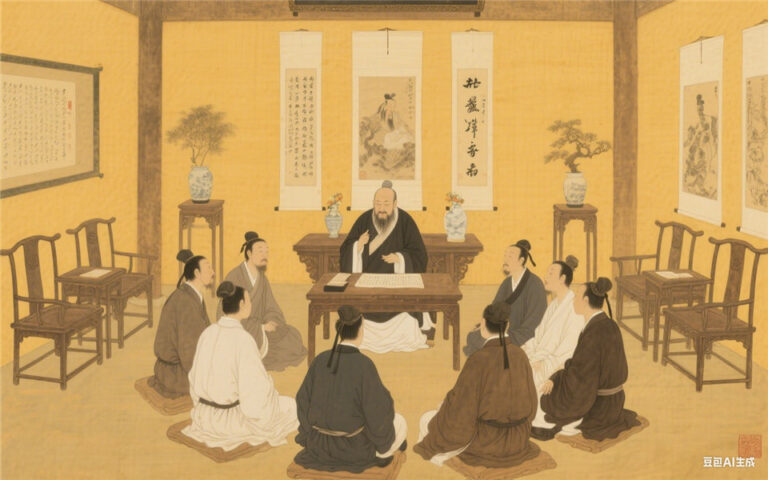
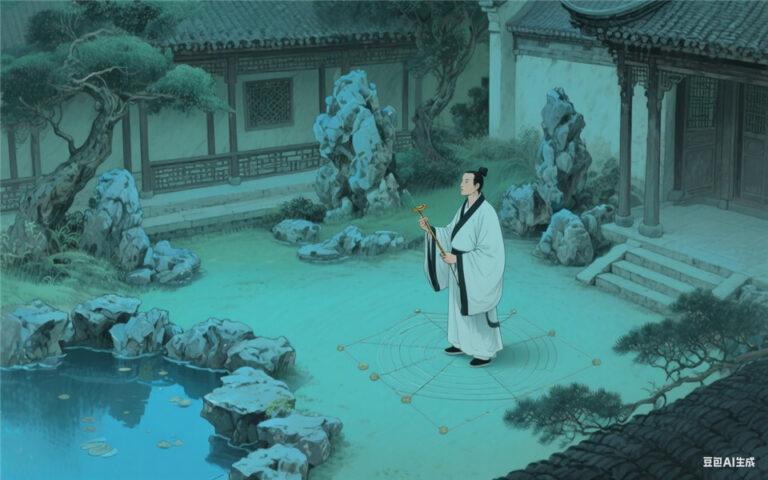
The expanded Changchun Taoist Temple adhered to traditional Taoist architectural norms, featuring a meticulously ordered structure that radiated a profound Taoist cultural atmosphere. The temple’s core was the front hall, dedicated to venerating Laozi, the founder of Taoism. With constant incense offerings, it served as the primary site for Taoist practitioners and devotees to worship and seek blessings. Beyond the Front Hall, two wings flank the main structure as auxiliary buildings. These serve to house Daoist scriptures and ritual implements while providing spaces for daily practice and doctrinal study. Behind the Front Hall, additional halls were constructed to further enrich the monastery’s functions, enabling the hosting of Daoist ceremonies, scripture lectures, and philosophical discussions. The entire layout clearly distinguishes primary and secondary spaces while offering comprehensive functionality, fully embodying the unique style and cultural essence of ancient Daoist architecture.
3. Religious Significance: The Origin and Benchmark of Quanzhen Daoism in Shanghai
Songjiang Changchun Daoist Temple holds pivotal importance in the history of Daoism in Shanghai, being the earliest Quanzhen Daoist temple in the region. As a major school of Daoism, Quanzhen emphasizes the “Three Teachings in Unity,” focusing on internal alchemy cultivation and moral cultivation. The establishment of Changchun Taoist Monastery introduced Quanzhen’s doctrines and culture to Shanghai, paving the way for its propagation and development in the region. Subsequently, as Quanzhen’s influence expanded, more Quanzhen temples emerged in Shanghai. Yet Changchun Daoyuan remains revered as the origin and benchmark of Quanzhen Daoism in Shanghai, enjoying high esteem within the Daoist community. It not only provides a place for Daoist practitioners to cultivate but also serves as a vital vehicle for transmitting and promoting Quanzhen culture, exerting a profound influence on Shanghai’s religious culture and social life.
4. Cultural Significance: A Cultural Treasure Preserving Historical Memory
Today, despite centuries of vicissitudes and potential alterations to some structures, the historical memory and cultural value embodied by the Changchun Taoist Monastery in Songjiang have grown increasingly precious. As Shanghai’s earliest Quanzhen monastery, it serves as vital physical evidence for studying Taoist culture, architectural art, and social history in Shanghai since the Yuan Dynasty. Research on Changchun Taoist Temple allows deeper insights into the dissemination pathways and evolutionary processes of Taoist culture in the Jiangnan region, as well as its intricate connections with local society, culture, and folk customs. Simultaneously, the temple stands as a vital cultural heritage site for Songjiang District and Shanghai City. It serves not only as a sacred place for Taoist devotees but also as a significant window for showcasing ancient cultural charm and transmitting China’s outstanding traditional culture to the public. This holds profound practical significance for enhancing cultural confidence and safeguarding cultural heritage.