
Songjiang Wen Di Temple: Historical Imprints Carrying the Literary Legacy
In the long history of Songjiang, Shanghai, there once stood an important building that witnessed the local cultural development—the Songjiang Wen Di Temple. Though it has faded into the mists of time, the historical traces it left behind still sketch for us a picture of the cultural prosperity of Songjiang Prefecture in those days.
1. Location and Original Form: A Wenchang Shrine Associated with the Academy
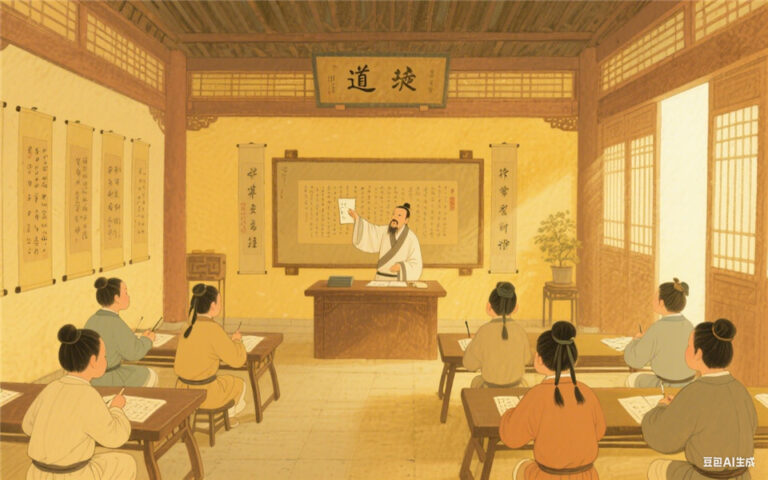
The earliest incarnation of the Songjiang Wen Di Temple was closely tied to the Yunjian Academy. Historical records indicate it was situated to the left of the original Yunjian Academy in Songjiang Prefecture, Shanghai. Initially, it was not known as the “Wen Di Temple” but rather as the “Wenchang Shrine.” In ancient times, Wenchang Shrines were primarily dedicated to worshiping Wenchang Dijun, the deity revered by scholars and literati as the guardian of literary fortune and academic success. Yunjian Academy itself served as a vital venue for local literati to pursue scholarship and exchange ideas. Positioning the Wenchang Shrine to its left undoubtedly facilitated worship by academy faculty and students, embodying their aspirations for flourishing literary fortune. This arrangement also reflected Songjiang Prefecture’s emphasis on cultural education at the time. Together, they formed a significant facet of the prefecture’s cultural landscape.
2. Key Development in the Ming Dynasty: Construction of the Star Pavilion and Relocation of the Deity Statue
During the sixth year of the Tianqi reign (1626) in the Ming Dynasty, the Temple of the Literary Emperor in Songjiang underwent a significant transformation. Chen Zhongsheng, then professor of the prefectural academy, oversaw the construction of the Star Pavilion and relocated the deity statue from the Wenchang Temple to this new structure. In ancient mythology, Kuixing was the deity governing literary success and failure. Depicted standing on the head of a giant turtle while holding a brush, he symbolized scholars achieving top honors in imperial examinations and having their names inscribed on the golden list. As the prefectural academy professor, Chen Zhongsheng bore the responsibility of advancing local education. His initiative to construct the Pavilion of the Star of Literature and relocate the deity not only enriched the architectural layout of the Temple of Wen Di but also reinforced its function as a cultural and ritual site. This action gained widespread recognition among the literati and scholars of Songjiang Prefecture at the time, and the Pavilion of the Star of Literature gradually became one of the cultural landmarks of Songjiang Prefecture.
3. Qing Dynasty Reconstruction and Subsequent Decline
By the Qing Dynasty, the Wen Di Temple in Songjiang had fallen into disrepair due to neglect. To preserve this significant cultural site, local officials including the Prefect and Magistrate of Songjiang collectively funded its reconstruction, restoring the temple’s three main halls. This reconstruction not only restored the temple’s ritual functions but also enhanced its architectural scale and craftsmanship, allowing it to continue its role in preserving Songjiang Prefecture’s literary heritage. However, the passage of time, coupled with social upheavals and frequent wars, took its toll on this ancient structure. Ultimately, swept away by the currents of history, the Songjiang Wen Di Temple fell into disuse, and its architectural remains gradually vanished from public view.
Today, though the Songjiang Wen Di Temple no longer stands, the cultural imprint it left on Songjiang’s history remains indelible. It bore witness to the development of cultural education in Songjiang Prefecture, embodied the aspirations of ancient Songjiang literati for flourishing literary fortune, and provides crucial historical evidence for studying the ancient culture, architecture, and social life of the Songjiang area in Shanghai.