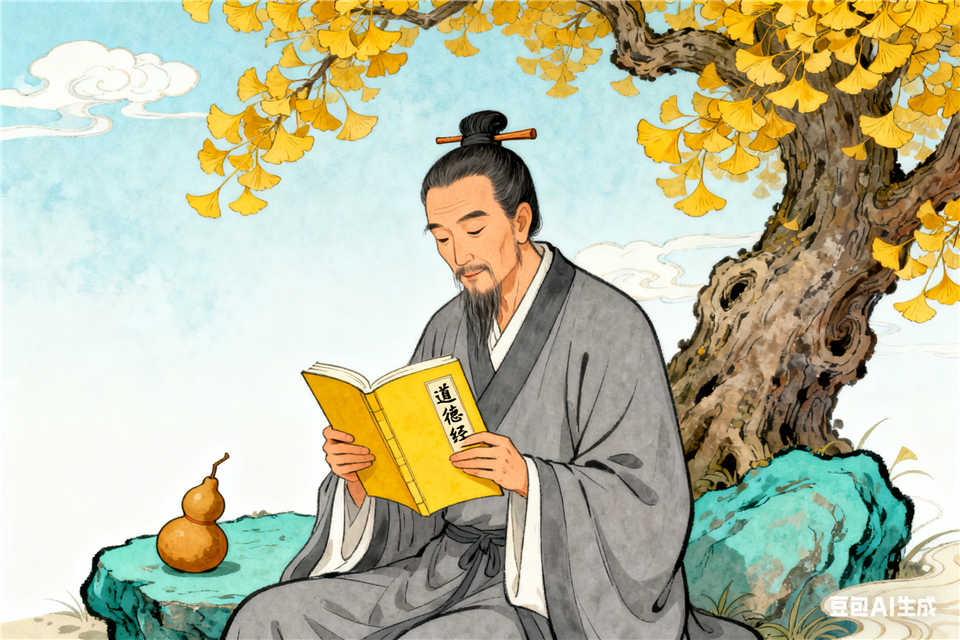
Taoism Teaches You to Understand Life’s Transience and Live Righteously
“Life in this world is like a white colt darting through a crack—fleeting and gone in an instant.” This ancient lament over life’s brevity aligns perfectly with Taoism’s understanding of existence. As a native Chinese religion, Taoism holds profound wisdom about life, guiding us to grasp the true meaning of “life’s brevity” and find the right path to live. It teaches us to live richly and freely within our limited time.
1. Recognizing “Short and Painful”: Avoid Anxiety, Understand Life’s Essence
Taoism teaches that “life is short and painful” is not merely a lament of fleeting time, but a reminder to see life’s true nature—life is finite, yet desires are infinite. If swept away by desires, one only adds suffering to the pursuit. The Dao De Jing’s warning—“The five colors blind the eye; the five tones deafen the ear; the five flavors dull the taste”—cautions against neglecting life’s true meaning through excessive pursuit of external materialism.
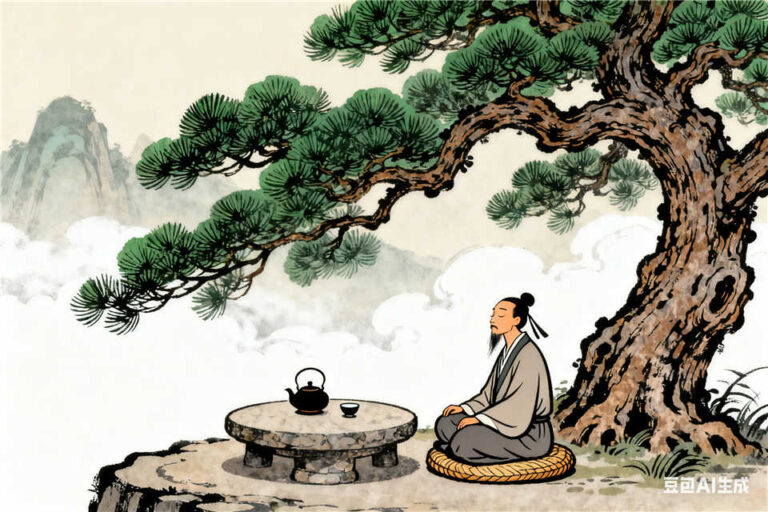
Daoism advocates “returning to simplicity,” asserting that life’s authenticity lies in harmonizing with nature. Just as the seasons change in rhythm, human birth, aging, sickness, and death are natural processes. There is no need to fret over life’s brevity or sink into despair over its hardships. Recognizing this truth allows us to transcend the fear of time’s passage, focus on the present moment, and cherish every experience.
2. Adjusting Mindset: Less Attachment, More Contentment
Facing life’s brevity, Taoism emphasizes the mindset of “contentment brings lasting fulfillment.” The Tao Te Ching states: “The contented person is rich.” True wealth lies not in material possessions but in inner satisfaction. Many feel life’s weariness precisely because of deep attachments—fixating on unmet goals or unattained things, exhausting themselves in endless pursuit.
Taoism advocates “governing through non-action,” where “non-action” does not mean passivity but avoiding actions contrary to nature and one’s true self. For instance, in work, doing one’s best suffices—there’s no need to dwell on a single mistake. In life, cherish existing family and friendships without blindly comparing oneself to others. Letting go of attachments fosters serenity, allowing one to experience peace and happiness within life’s finite span.
3. Living in Practice: Following Nature, Valuing the Present
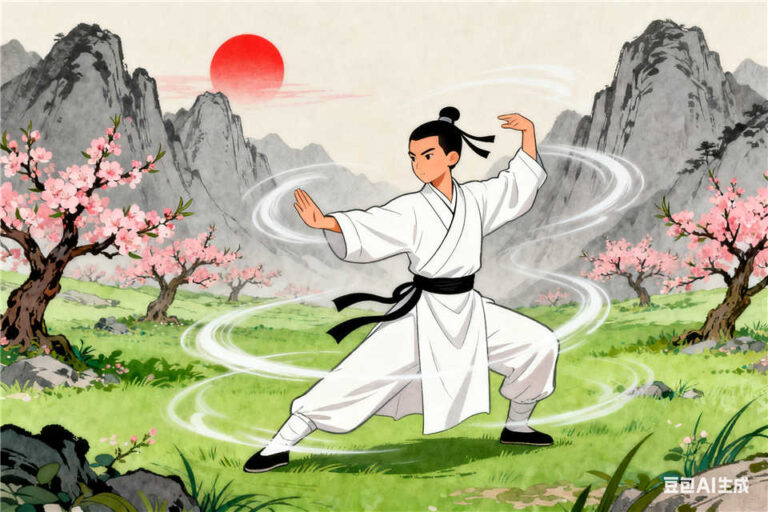
Understanding life’s brevity, the right way to live begins with “putting it into practice.” Taoism emphasizes “following nature”—for instance, maintaining regular routines instead of burning the midnight oil to deplete energy; eating lightly rather than overeating to harm the body. These seemingly simple habits are profound expressions of respect for life.
Simultaneously, Taoism emphasizes “living in the present.” There is no need to dwell on past regrets or fret over future uncertainties. Instead, focus on what lies before you: sharing a meal with family, having a heartfelt conversation with friends, diligently completing the task at hand… These small joys of the moment, when gathered together, form the great happiness of life.
Life may be brief, but by following Taoist wisdom to understand life’s essence, adjust our mindset, and earnestly embrace each present moment, we can carve out our own composure and brilliance within our limited time.