
Wong Tai Sin Temple in Hong Kong: A Kowloon Heritage Site for the Integration of Three Religions
In a bustling corner of the Kowloon Peninsula in Hong Kong, there is a Taoist holy site that carries centuries of faith and cultural memory – Wong Tai Sin Temple. This temple, also known as “Sise Garden”, is not only a well-known landmark in Hong Kong, but also an important link between traditional beliefs and modern life with its unique pattern of “three religions in one” and profound Taoist heritage.
1、 History: Religious landmarks built after the war
The official establishment of Wong Tai Sin Temple is closely linked to the post-war social reconstruction process in Hong Kong. In 1945 AD, after experiencing the baptism of war, the Hong Kong people’s demand for spiritual faith became increasingly urgent, and the Wong Tai Sin Temple emerged. Its origin can be traced back to the Chongxu Ancient Temple in Luofu Mountain, Guangdong. As the lower house of Chongxu Ancient Temple, the Wong Tai Sin Temple clearly belongs to the Quanzhen Dragon Sect of Taoism in terms of the inheritance of the Dharma lineage, continuing the core teachings of Taoism such as “tranquility and non action” and “helping the world and people”. Since its construction, this temple has quickly become one of the most influential religious sites in Kowloon due to its legendary spirit and strong humanistic atmosphere. Despite decades of wind and rain, it still remains prosperous and witnesses the changes of Hong Kong’s times.
2、 Religious Pattern: Unique Worship of the Integration of the Three Religions
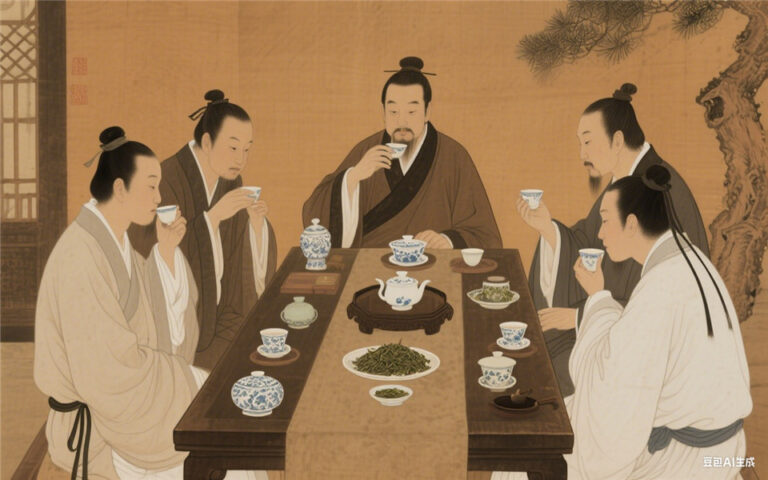
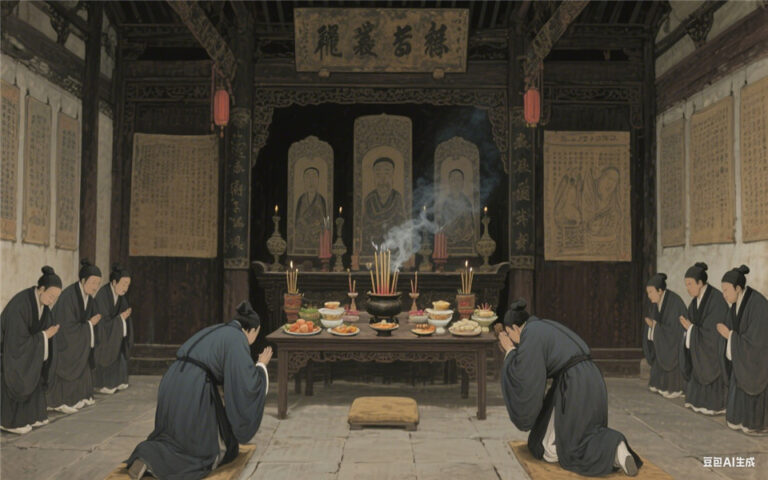
Entering the Wong Tai Sin Temple, the most eye-catching feature is its “three religions in one” worship system. The main deity worshipped in the temple, Wong Tai Sin, is a highly approachable “immortal” image in the hearts of Hong Kong people. It is said that he can dispel disasters, relieve difficulties, and bless sentient beings, thus attracting countless believers to come and pray for blessings all year round. In addition to Wong Tai Sin, the temple also enshrines Confucian representative figure Confucius and Buddhist Jigong Living Buddha, creating a unique scene of harmonious coexistence among Taoism, Confucianism, and Buddhism. This pattern of “three religions in one” not only reflects the inclusive nature of traditional Chinese culture, but also reflects the social style of Hong Kong’s multicultural integration, allowing people with different religious backgrounds to find spiritual sustenance here.
3、 Management mode: Standardized operation under the board of directors system
To ensure the orderly operation and cultural inheritance of the temple, the Wong Tai Sin Temple implements a scientific board management system, and the current chairman of the board is Mr. Huang Yuntian. The board of directors is not only responsible for the daily maintenance of the temple and the organization of sacrificial activities, but also actively promotes the dissemination of religious culture and the development of public welfare undertakings. Under the overall planning of the board of directors, Wong Tai Sin Temple has always adhered to the concept of “promoting virtue through Taoism”. It strictly follows Taoist rituals, maintains the solemnity of religious sites, and transforms the power of faith into practical actions to serve society through cultural lectures, charitable donations, and other activities. This standardized management model keeps this century old temple vibrant in modern society and serves as an important bridge connecting religious traditions with social welfare.
4、 Cultural significance: Hong Kong’s spiritual symbols and tourist destinations
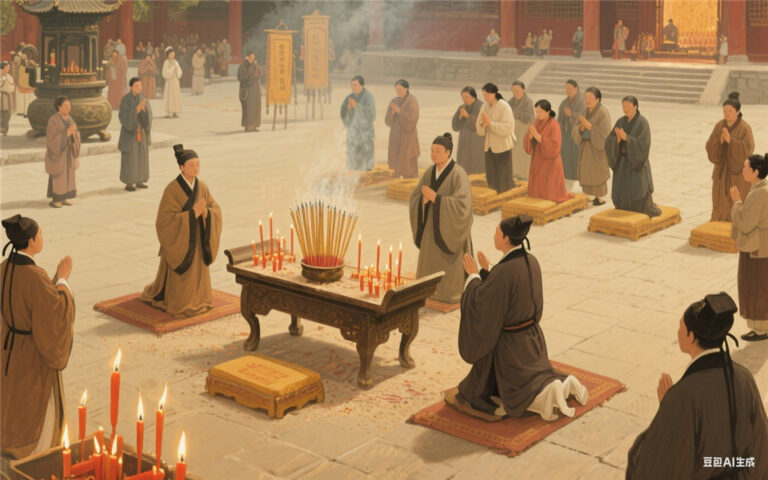
Nowadays, the Wong Tai Sin Temple has gone beyond the scope of a simple religious venue and has become an important cultural symbol and tourist destination in Hong Kong. Every year, countless local residents and overseas tourists come here to burn incense and pray for blessings, experiencing the charm of traditional beliefs; Or take a stroll inside the temple and appreciate the antique architecture and garden landscape. The cornice arch of wooden architecture and carved beams and painted rafters in the temple not only show the exquisite craftsmanship of traditional Chinese architecture, but also carry the profound cultural origin of Hong Kong and the mainland. As an important heritage site of the Quanzhen Longmen Sect of Taoism in southern China, the Wong Tai Sin Temple also provides a valuable physical carrier for studying Chinese Taoist culture and Hong Kong religious history. Its “three religions in one” cultural pattern has become a vivid epitome of Hong Kong’s multicultural integration.
Since its completion in 1945, Wong Tai Sin Temple has always accompanied Hong Kong through its ups and downs with a tolerant attitude and rich cultural heritage. It is not only a temple, but also a symbol of spiritual faith for the people of Hong Kong and a carrier of traditional culture. Through the accumulation of time, it continues to write the stories of faith and culture that belong to Hong Kong.